The Ultimate Guide to Bermuda Grass Aeration: Best Practices for a Lush Lawn


Maintaining a lush, green lawn is a goal for many homeowners, and Bermuda grass is a popular choice due to its durability and beauty. However, achieving that perfect lawn requires regular care, including aeration. This guide will walk you through the best practices for aerating Bermuda grass to keep it healthy and thriving.
Understanding Aeration
Aeration involves perforating the soil with small holes to allow air, water, and nutrients to penetrate the grass roots. This process helps the roots grow deeply and produce a stronger, more vigorous lawn. For Bermuda grass, aeration is particularly important as it can become compacted over time, especially in high-traffic areas.
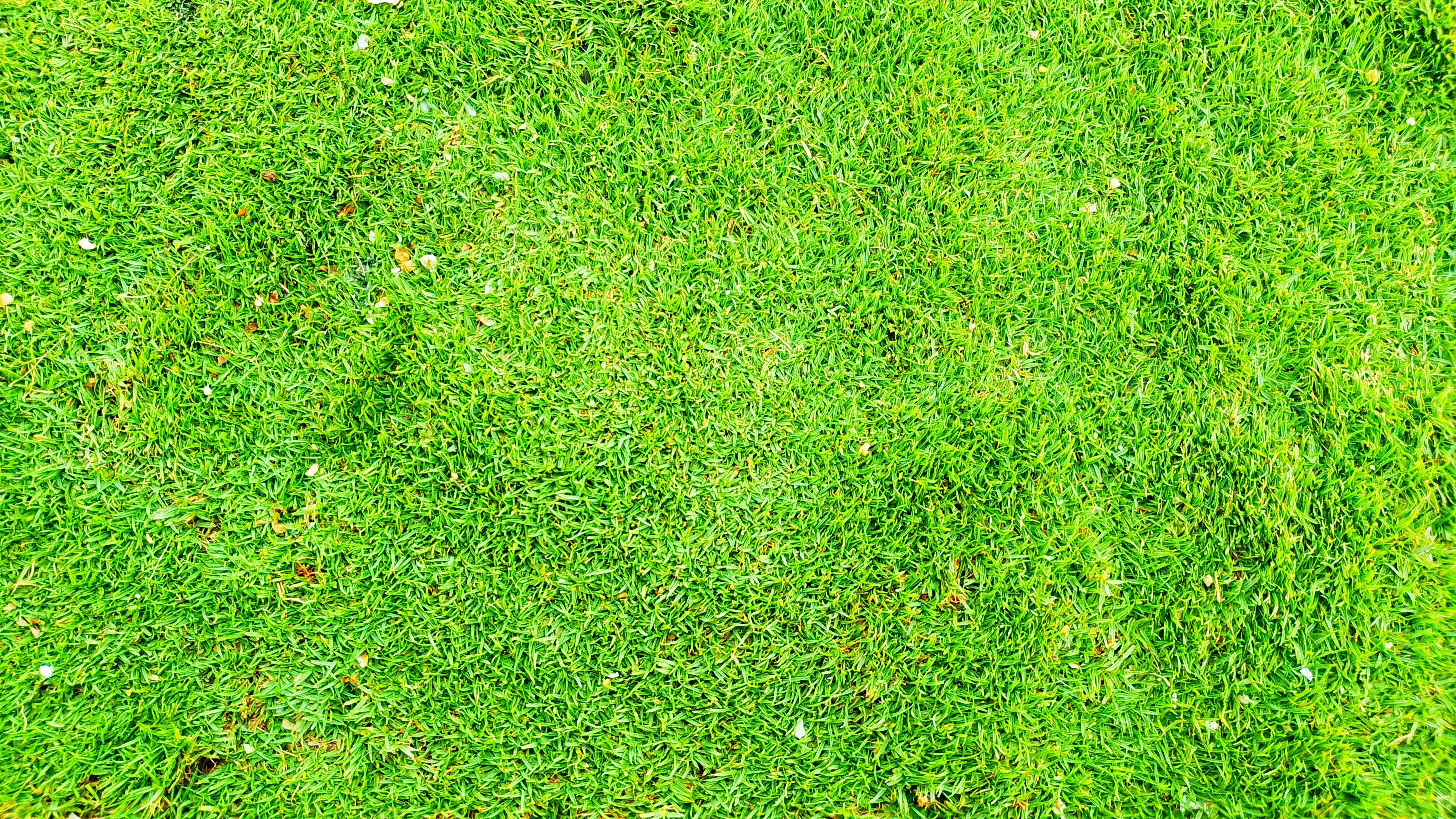
When to Aerate
The best time to aerate Bermuda grass is during its peak growing season, typically late spring through early summer. Aerating during this period ensures that the grass can recover quickly and fill in any bare spots. Avoid aerating during dormancy, as this can damage the grass.
Choosing the Right Tools
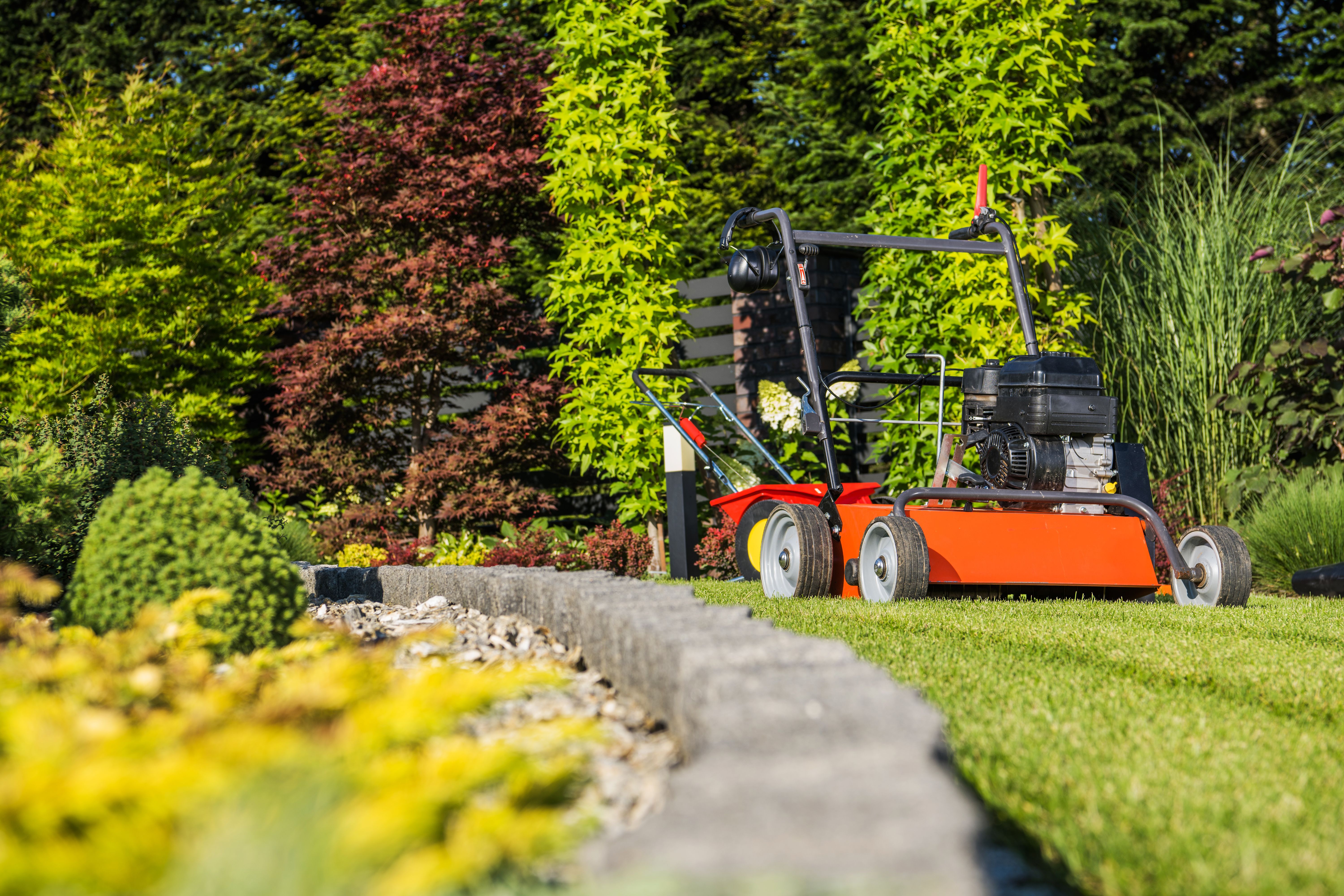
There are different tools available for aeration, including spike aerators and plug aerators. Plug aerators are generally more effective for Bermuda grass as they remove small plugs of soil, reducing compaction more efficiently. This allows the lawn to absorb nutrients and water better.
Steps to Aerate Bermuda Grass
- Water the lawn thoroughly a day or two before aeration to soften the soil.
- Use a plug aerator, making multiple passes over the lawn for thorough coverage.
- Leave the soil plugs on the lawn to decompose naturally, enriching the soil.
Post-Aeration Care
After aeration, it's essential to help your lawn recover and take advantage of the increased access to nutrients. Fertilizing and watering are key steps. Apply a balanced fertilizer to provide essential nutrients, and ensure the lawn receives at least an inch of water per week.
Benefits of Regular Aeration
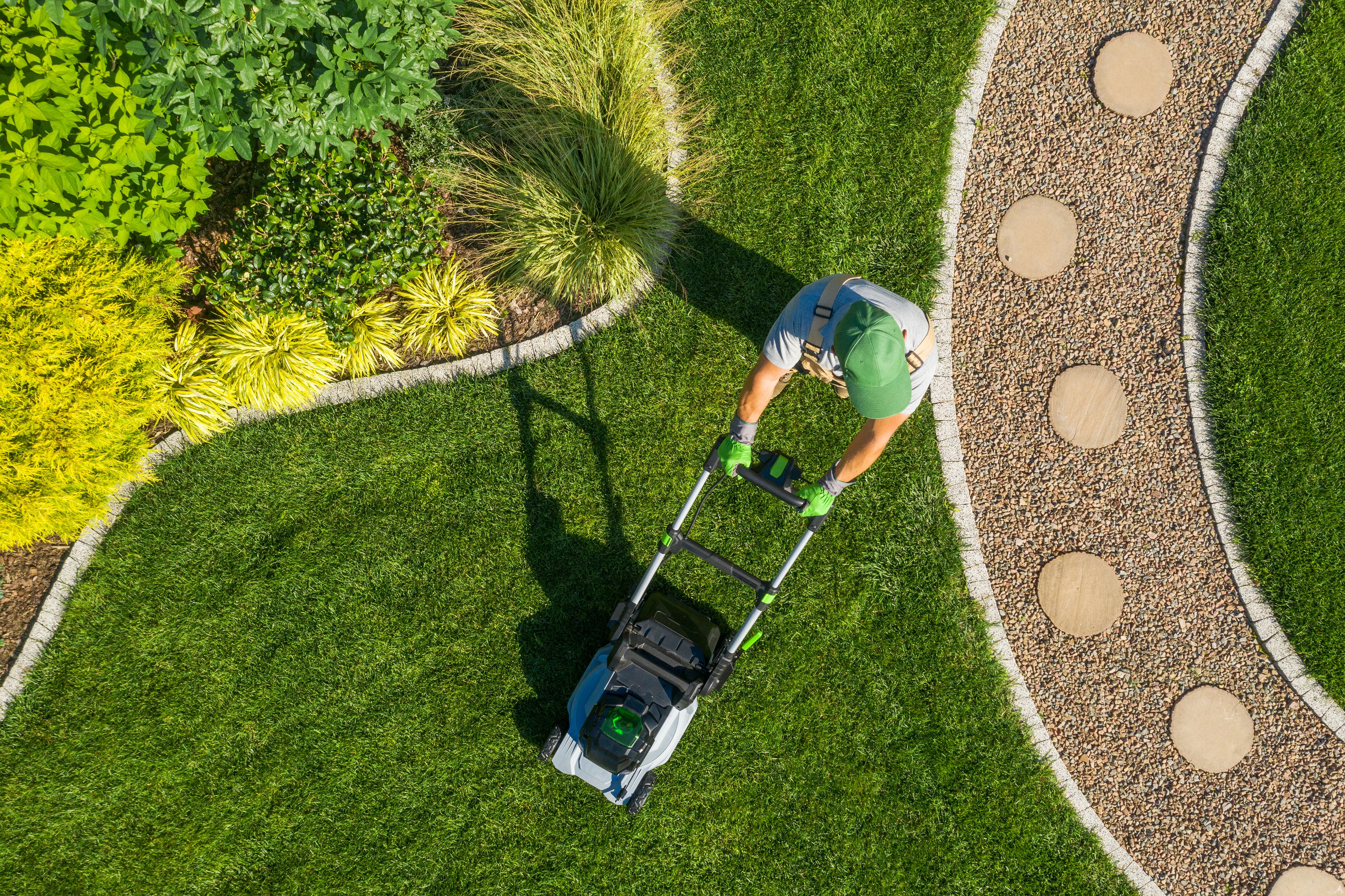
Regular aeration provides numerous benefits, including improved air exchange, enhanced water uptake, reduced runoff, and stronger root development. This process also helps break down thatch, the layer of dead grass that can prevent water and nutrients from reaching the soil.
Common Mistakes to Avoid
Avoid aerating too frequently; once or twice a year is usually sufficient. Over-aeration can damage the lawn and lead to more problems. Also, ensure you are using the correct equipment and aerating at the right time of year for the best results.
By following these best practices, you can enjoy a lush, healthy Bermuda grass lawn that enhances the beauty of your home. Regular maintenance, including aeration, is key to achieving and maintaining that perfect green carpet.