Seasonal Care Tips for Bermuda Grass: Preparing for Spring and Summer


Understanding Bermuda Grass
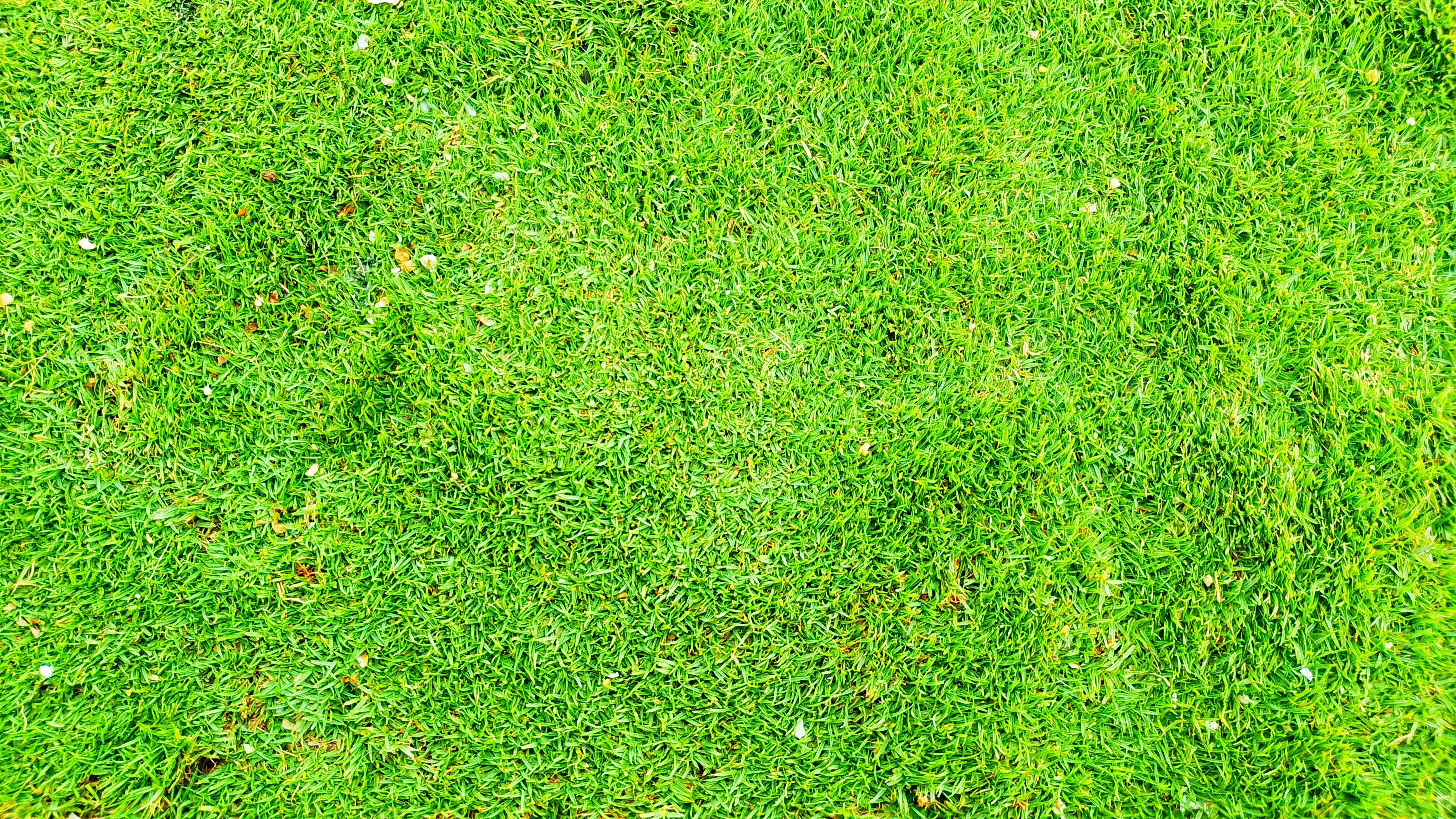
Bermuda grass is a popular choice for lawns due to its durability and lush appearance. As spring and summer approach, it’s essential to give it the right care to ensure a thriving, green spread. Understanding the specific needs of Bermuda grass during these seasons will help maintain its health and beauty.
Known for its resilience, Bermuda grass thrives in warm climates and requires specific care techniques to maximize its potential. As temperatures rise, this grass becomes more active, necessitating adjustments in your lawn care routine.
Mowing Techniques
Setting the Right Height
Mowing is crucial for Bermuda grass health. During spring, set your mower to cut at a height of about 1 to 1.5 inches. This allows sunlight to reach the base, encouraging robust growth. As summer progresses, gradually raise the cutting height to around 2 inches to provide shade for the roots and reduce stress.
Regular Mowing Schedule
Consistency is key. Aim to mow your Bermuda grass every 5 to 7 days. Regular mowing not only keeps your lawn looking neat but also helps prevent weeds from taking over. Always ensure your mower blades are sharp to avoid tearing the grass.

Watering Needs
Optimal Watering Practices
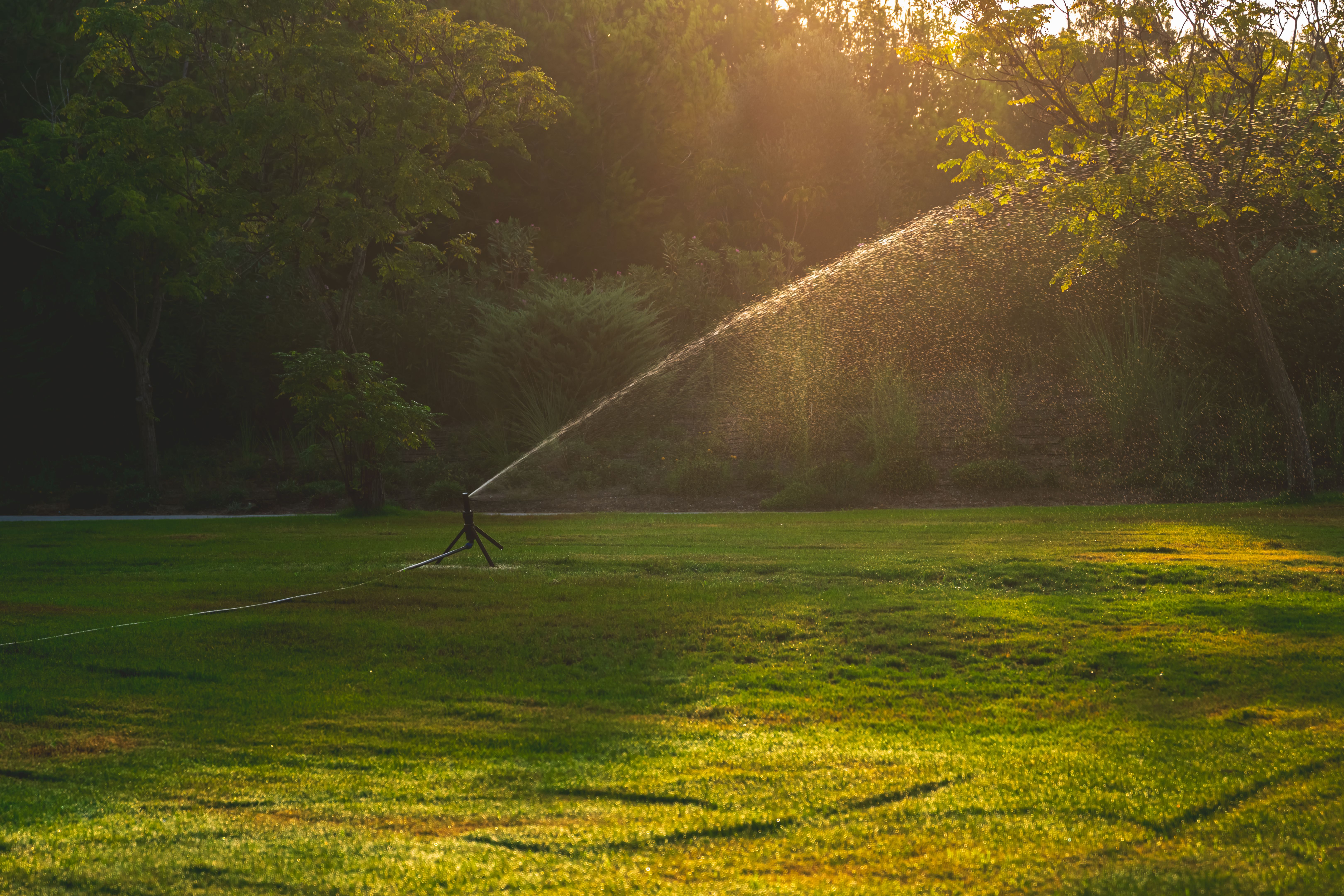
Bermuda grass requires about 1 to 1.5 inches of water per week during its growing season. Water deeply and infrequently to encourage deep root growth. Early morning is the best time to water, as it minimizes evaporation and fungal diseases.
Monitor rainfall and adjust your watering schedule accordingly. Overwatering can lead to shallow roots and increased vulnerability to pests and diseases.
Fertilization and Weed Control
Choosing the Right Fertilizer
Fertilizing is essential for maintaining the lush green color of Bermuda grass. Use a high-nitrogen fertilizer in the early spring to promote vigorous growth. Apply fertilizer every 6 to 8 weeks during the growing season for best results.
Effective Weed Management
Weeds can be a significant issue for Bermuda grass. Use a pre-emergent herbicide in early spring to prevent weeds from germinating. If weeds do appear, spot-treat them with a post-emergent herbicide to avoid harming your grass.

Pest and Disease Management
While Bermuda grass is hardy, it is not immune to pests and diseases. Regularly inspect your lawn for signs of trouble, such as discolored patches or wilting. Early detection is crucial for effective treatment.
If pests like grubs or diseases such as brown patch appear, consult with a lawn care professional for targeted solutions. Keeping your lawn healthy with proper care will naturally reduce the likelihood of pest and disease issues.