Myths and Facts About Bermuda Grass Lawn Care


Understanding Bermuda Grass Lawn Care
Bermuda grass is a popular choice for lawns due to its durability and lush appearance. However, several myths surrounding its care can lead homeowners astray. In this post, we'll debunk common myths and provide factual insights to help you maintain a vibrant Bermuda grass lawn.
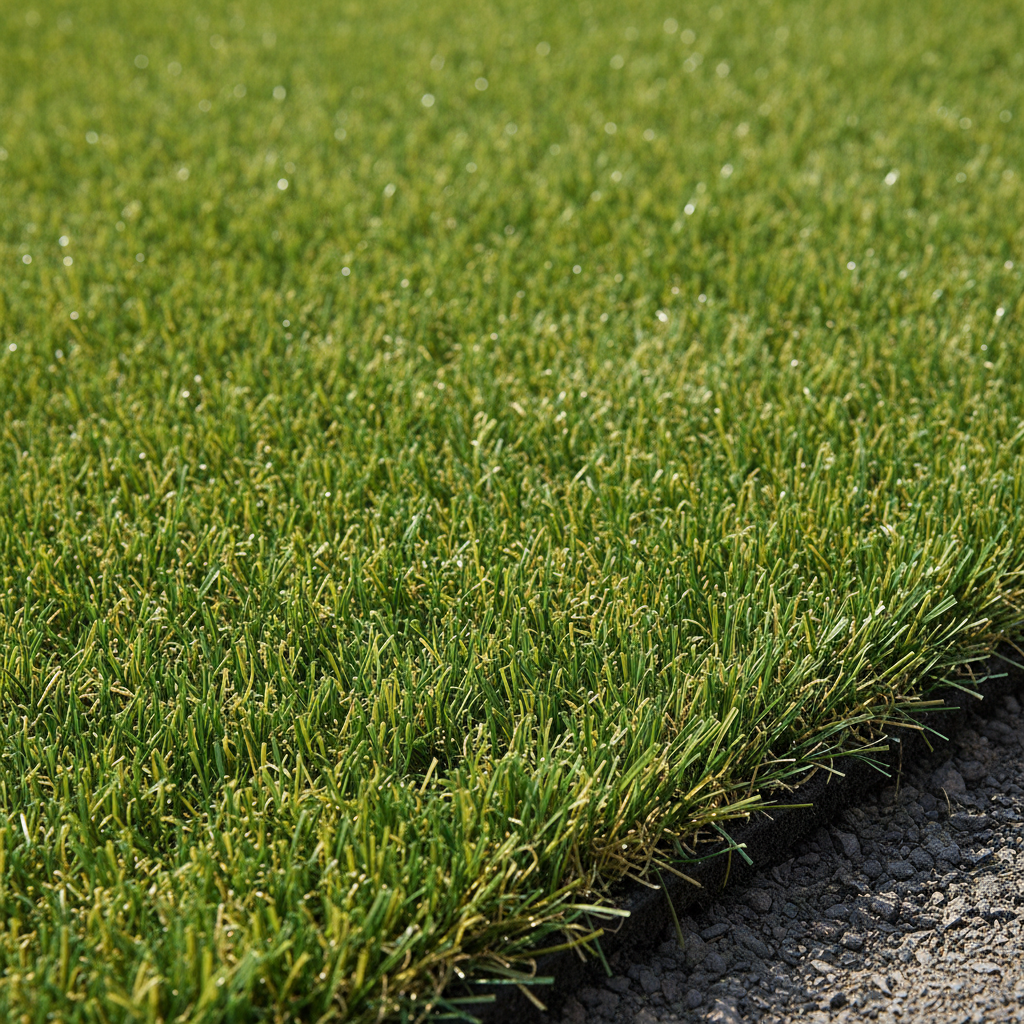
Myth: Bermuda Grass Needs Constant Watering
A common misconception is that Bermuda grass requires daily watering to thrive. In reality, overwatering can lead to shallow root systems and increased susceptibility to disease. Fact: Bermuda grass is drought-resistant and typically needs about 1 to 1.5 inches of water per week, including rainfall. Watering deeply and infrequently encourages deep root growth, making the lawn more resilient.
Myth: Fertilizing Frequently Promotes Growth
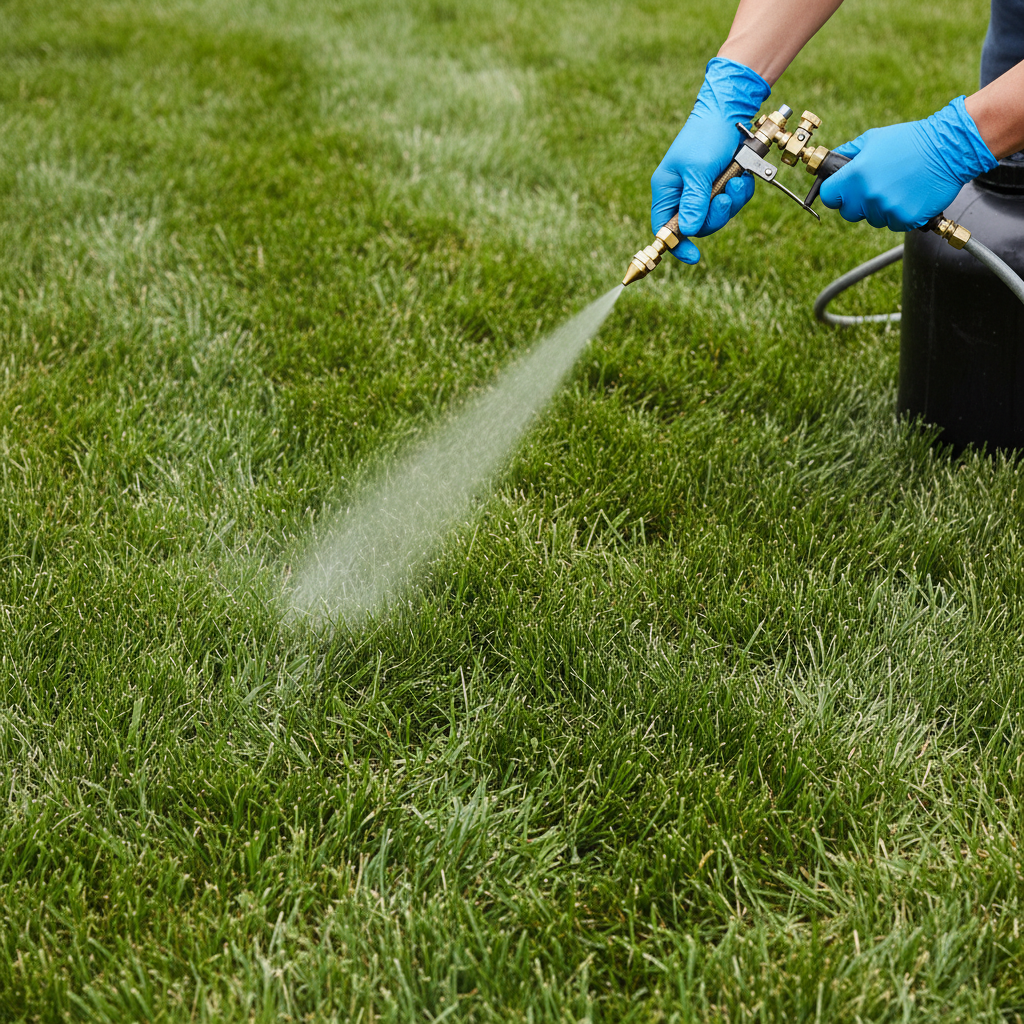
While it may seem that more fertilizer equals faster growth, excessive fertilization can harm your lawn. Fact: Bermuda grass benefits from a balanced fertilization schedule. Apply fertilizer during the growing season, typically every 6 to 8 weeks, following soil test recommendations to avoid over-fertilization.
Essential Practices for Healthy Bermuda Grass
Fact: Correct Mowing Height is Crucial
Maintaining the right mowing height is vital for a healthy Bermuda grass lawn. Cutting the grass too short can stress the plants and make them vulnerable to weeds and pests. Recommendation: Set your mower to a height of 1 to 1.5 inches during the growing season for optimal health.
- Use a sharp mower blade to prevent tearing.
- Avoid removing more than one-third of the grass height at a time.
Myth: Bermuda Grass Does Not Need Aeration
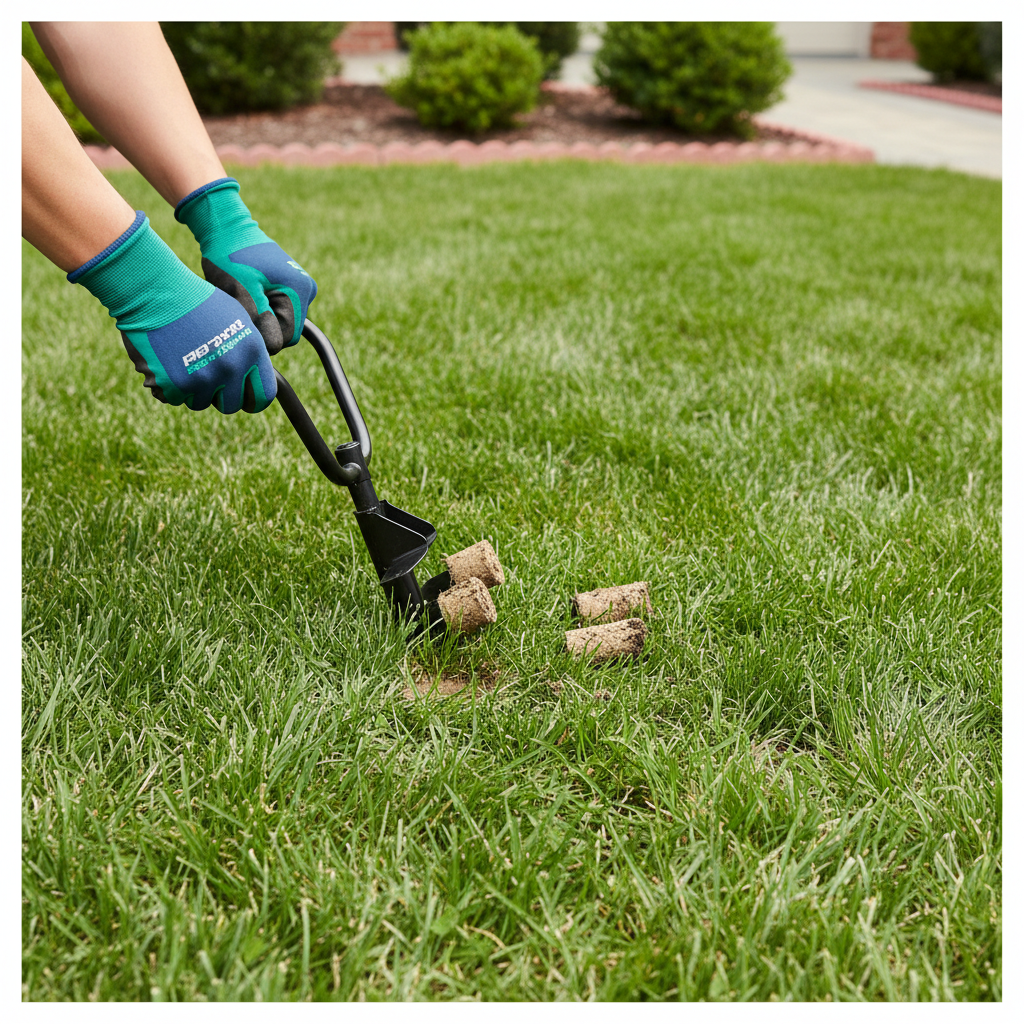
Some believe that aerating Bermuda grass is unnecessary. Fact: Aeration is essential for maintaining healthy soil and ensuring proper nutrient absorption. Aerate your lawn at least once a year to reduce soil compaction and promote better air and water flow to the roots.
Debunking Additional Myths
Myth: Bermuda Grass is Pest-Free
Bermuda grass is hardy, but it is not immune to pests. Grubs, armyworms, and other insects can still pose a threat. Fact: Regular monitoring and integrated pest management strategies can help keep your lawn pest-free without relying excessively on chemical treatments.
Fact: Seasonal Care is Important
Understanding the seasonal needs of Bermuda grass is crucial. During the dormant winter months, it requires less attention, while spring and summer demand more care for growth and maintenance. Tip: Adjust your lawn care practices according to the season to ensure a lush and healthy lawn year-round.
By debunking these myths and following proven practices, you can enjoy a beautiful and resilient Bermuda grass lawn. Remember, a well-informed approach to lawn care makes all the difference.