Expert Tips for Maintaining a Lush Lawn in Greenville's Climate


Understanding Greenville's Climate
Greenville, with its humid subtropical climate, presents unique challenges and opportunities for lawn care enthusiasts. Understanding the local climate is crucial for maintaining a lush, green lawn throughout the year. The warm summers and mild winters can be both a boon and a bane for lawn care, requiring tailored strategies to ensure your grass thrives.

Choosing the Right Grass Type
Choosing the appropriate grass type is the foundation of a healthy lawn. In Greenville, warm-season grasses such as Bermuda, Zoysia, and Centipede are popular choices. These grass types are well-suited to the local climate, as they can withstand the heat and remain lush with proper care.
Bermuda Grass
Bermuda grass is known for its durability and resilience. It thrives in the full sun and is ideal for high-traffic areas. However, it requires regular maintenance, including frequent mowing and fertilization, to keep it looking its best.
Effective Watering Techniques
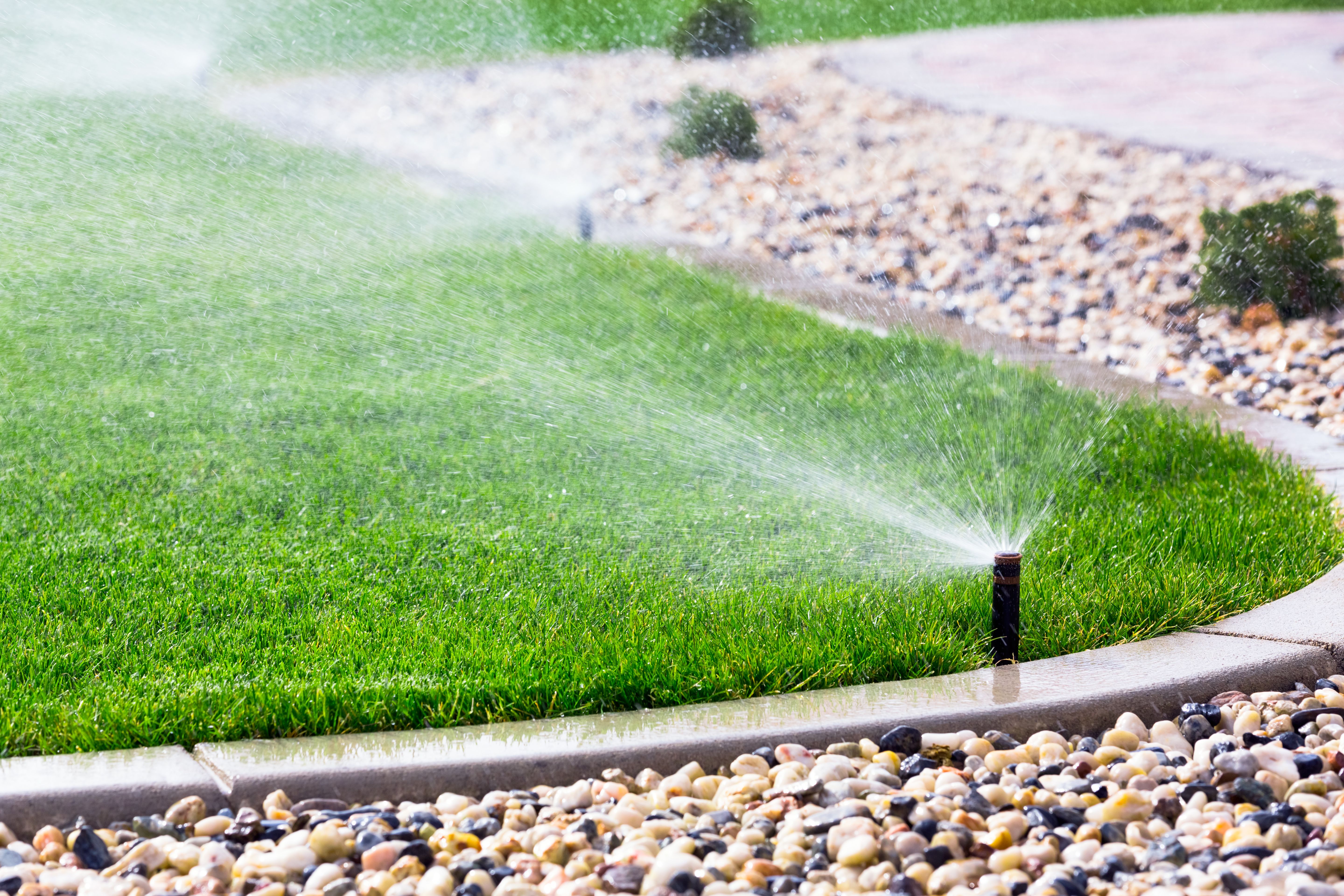
Proper watering is essential to maintaining a lush lawn in Greenville. It's important to water deeply and infrequently to encourage deep root growth. Early morning is the best time to water your lawn, as it minimizes evaporation and ensures the grass has time to absorb moisture before the heat of the day.
Using Smart Irrigation Systems
Consider investing in a smart irrigation system. These systems can adjust watering schedules based on weather conditions, ensuring your lawn receives the right amount of water without waste. This not only promotes a healthier lawn but also conserves water.
Fertilization and Soil Care
Fertilizing your lawn with the right nutrients is key to keeping it lush and green. Conduct a soil test to determine the specific needs of your lawn. Based on the results, choose a fertilizer that provides the necessary nutrients, focusing on nitrogen, phosphorus, and potassium.

Organic Fertilizers
Consider using organic fertilizers, which are environmentally friendly and improve soil health over time. They release nutrients slowly, providing consistent nourishment for your lawn without the risk of burning the grass.
Weed and Pest Control
Weeds and pests can quickly ruin a beautiful lawn. Implementing a proactive weed and pest control strategy is essential. Regularly inspect your lawn for signs of trouble and address issues promptly. Integrated pest management (IPM) techniques can be effective, combining cultural, biological, and chemical methods.
Natural Pest Control Options
Explore natural pest control options, such as introducing beneficial insects that prey on common lawn pests. This approach reduces the need for chemical treatments, promoting a healthier environment for your lawn and the ecosystem.
Regular Maintenance Practices
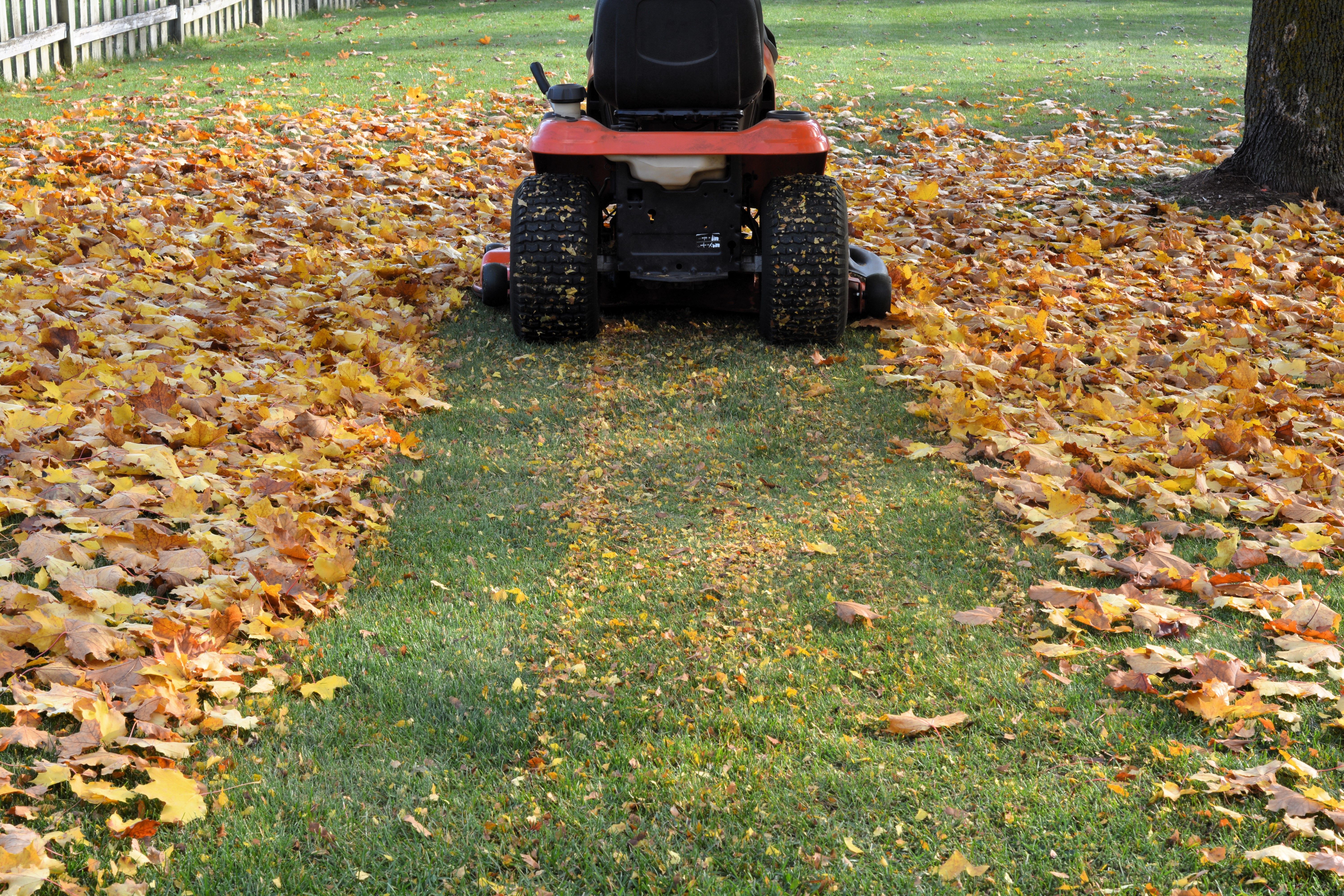
Maintaining a lush lawn requires regular care, including mowing, aerating, and dethatching. Mow your lawn at the proper height for the grass type, and aerate the soil to improve air and water flow. Removing thatch buildup helps prevent disease and allows nutrients to reach the roots.
By following these expert tips, you can enjoy a beautiful, lush lawn that enhances the curb appeal of your home and provides a welcoming outdoor space for family and friends.