Expert Tips for Bermuda Grass Care in South Carolina


Understanding Bermuda Grass
One of the most popular grasses in South Carolina, Bermuda grass is known for its durability and lush, green appearance. This warm-season grass thrives in the sunny, humid climate of the Southeast, making it an excellent choice for lawns in the region.
Bermuda grass is loved for its ability to withstand heavy foot traffic and its fast growth rate. However, its maintenance can sometimes be tricky. Here are some expert tips to keep your Bermuda grass looking its best throughout the year.
Proper Mowing Techniques
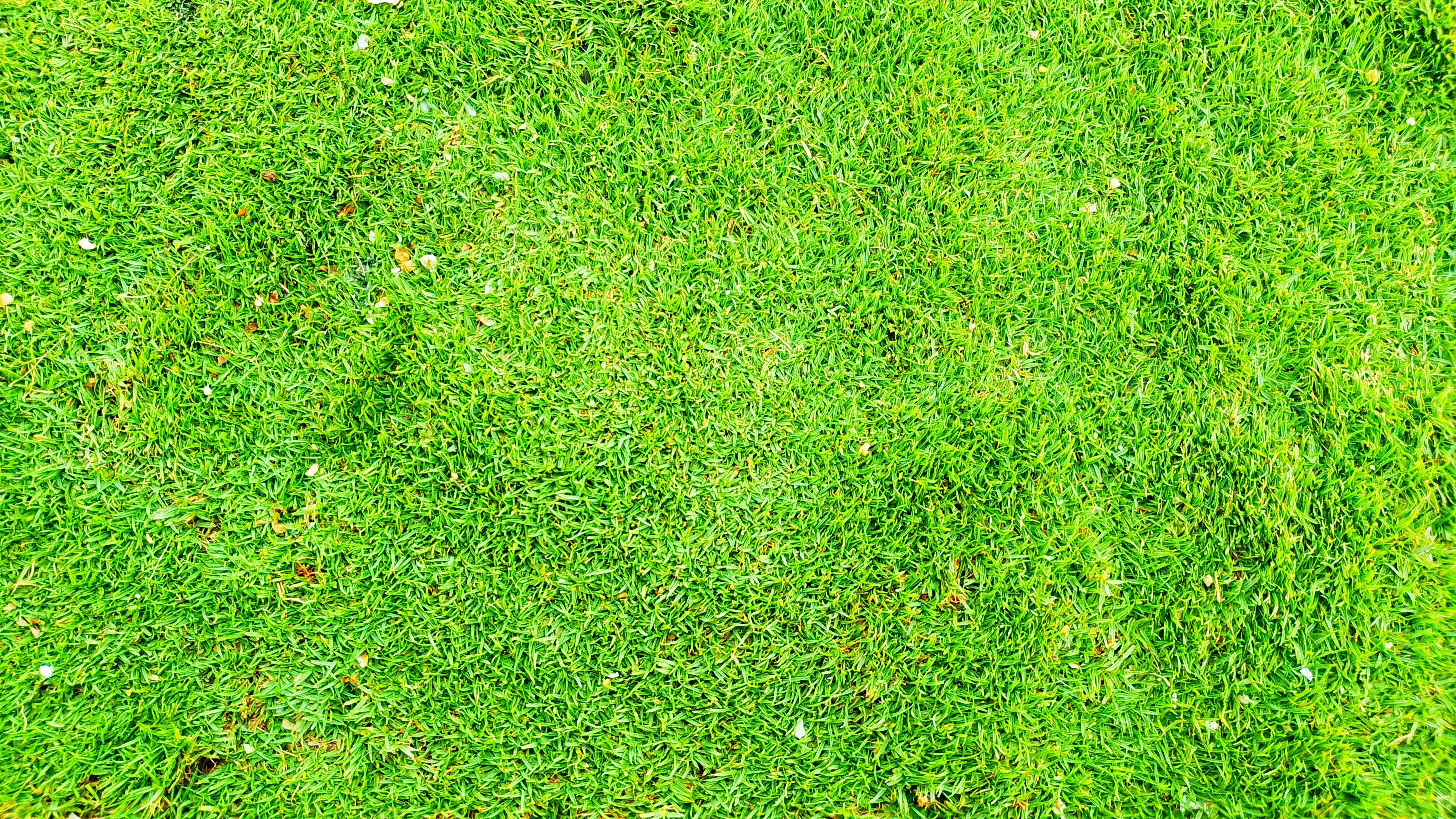
Mowing is a crucial aspect of Bermuda grass care. It’s important to maintain a regular mowing schedule to promote healthy growth and prevent thatch buildup. Aim to mow your Bermuda grass to a height of 1 to 2 inches.
During the peak growing season in South Carolina, which is typically late spring to early fall, you may need to mow your lawn as often as once a week. Always ensure your mower blades are sharp to avoid tearing the grass blades, which can lead to disease.

Watering Essentials
Watering is another key element for maintaining Bermuda grass. This grass type prefers deep, infrequent watering rather than light, frequent sprinklings. Water your lawn about once a week, ensuring that it receives approximately 1 to 1.5 inches of water each time.
It’s best to water early in the morning to minimize evaporation and allow the grass to dry before nightfall, reducing the risk of fungal diseases.
Fertilization Tips
Fertilizing your Bermuda grass is essential to keep it healthy and vibrant. Apply a high-nitrogen fertilizer in the spring as the grass begins to green up. Follow up with additional applications every 6 to 8 weeks during the growing season.
Always follow the recommended application rates on the fertilizer package to avoid over-fertilization, which can harm the grass and the environment.
Weed and Pest Management
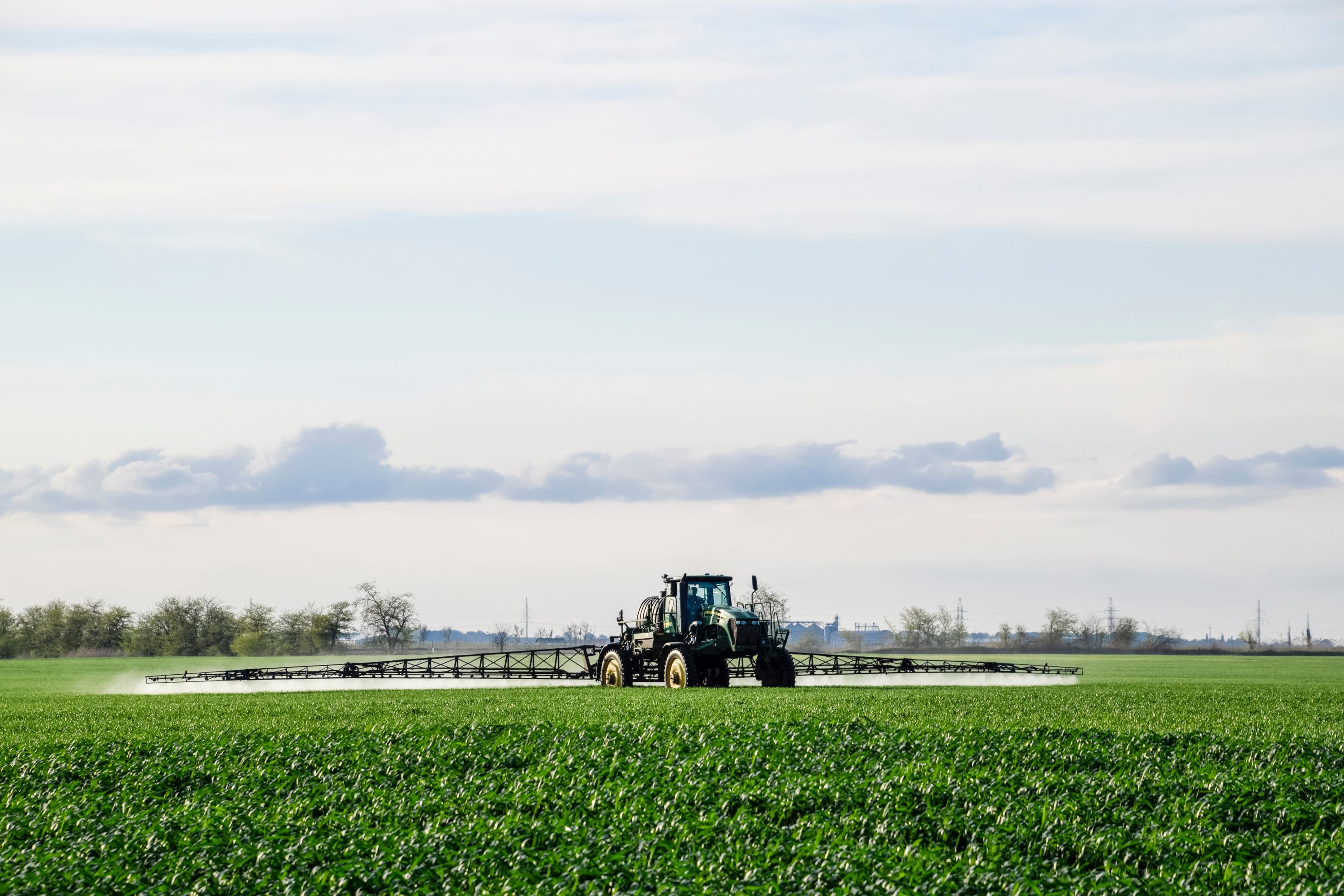
Weeds and pests can be a problem for Bermuda grass if not properly managed. Regularly inspect your lawn for signs of weeds and pests, such as brown patches or unusual growth patterns.
If you notice any issues, consider using an appropriate herbicide or pesticide. Always read labels carefully and apply treatments according to the manufacturer's instructions to avoid damaging your lawn.
Aeration and Thatch Control
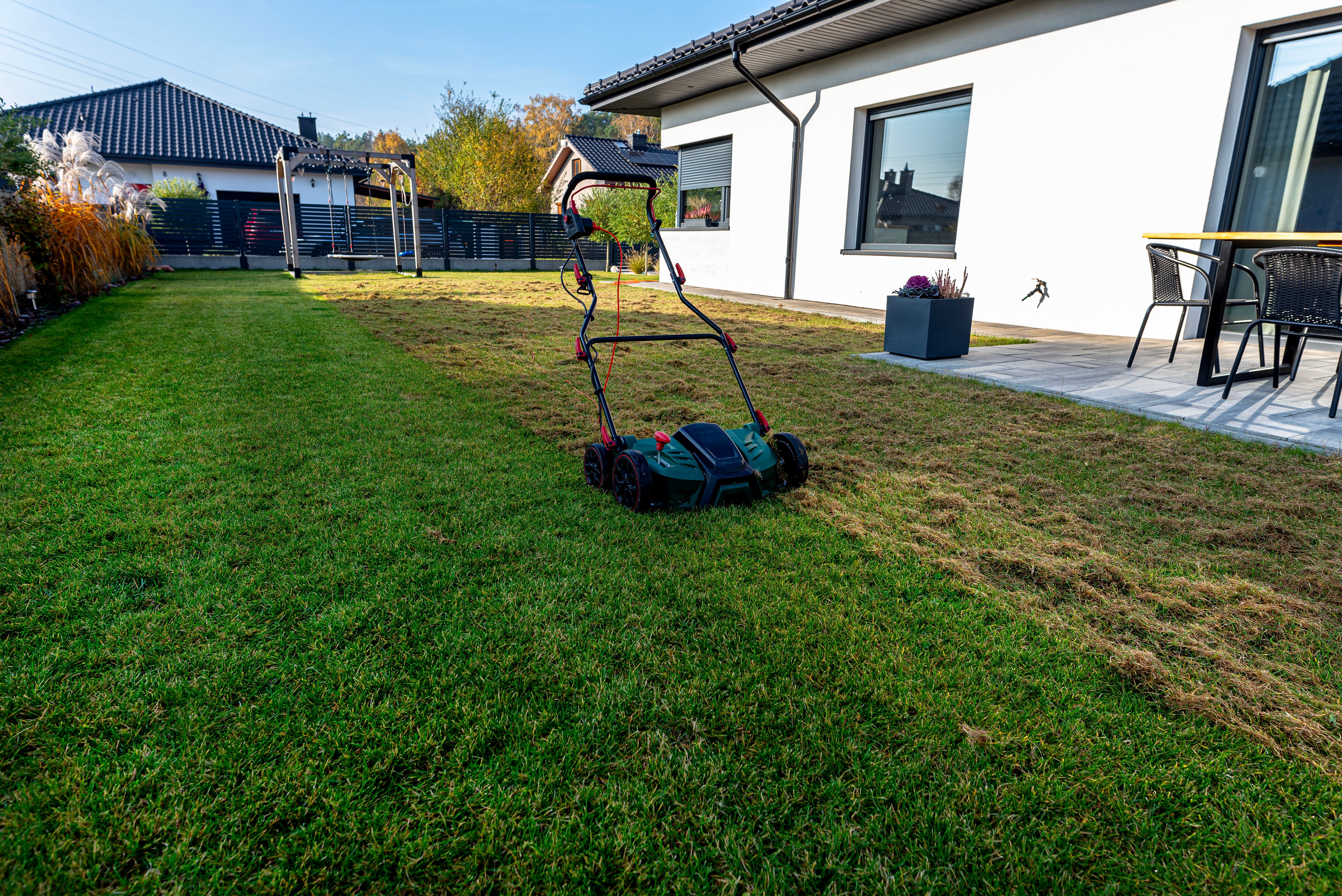
Aeration helps improve soil drainage and allows nutrients to reach the roots of your Bermuda grass. It’s best to aerate your lawn in the spring or early summer when the grass is actively growing. This can be done using a core aerator that removes small plugs of soil.
Thatch, a layer of organic matter that can build up between the grass and the soil, should be kept under control. If thatch becomes too thick, it can prevent water and nutrients from reaching the roots.
Seasonal Care
In South Carolina, Bermuda grass enters dormancy in the winter months. During this time, reduce watering and avoid fertilizing until the grass begins to green up again in the spring.
Consider overseeding with a cool-season grass if you want to maintain a green lawn throughout the winter. This can provide color and coverage during the dormant season.
Conclusion
By following these expert tips, you can maintain a healthy and attractive Bermuda grass lawn in South Carolina. Regular care, including mowing, watering, fertilizing, and pest management, will ensure your lawn remains lush and inviting year-round.
Remember, each lawn is unique, and adjustments may be necessary based on specific conditions and needs. With a little effort and attention, your Bermuda grass can thrive beautifully.