Expert Advice: Preventing Common Bermuda Grass Lawn Problems


Understanding Bermuda Grass
Bermuda grass is a popular choice for lawns due to its resilience and lush appearance. However, maintaining its health requires attention to specific issues that this grass type is prone to. By understanding and addressing these common problems, you can keep your Bermuda grass lawn looking its best.
Dealing with Thatch Buildup
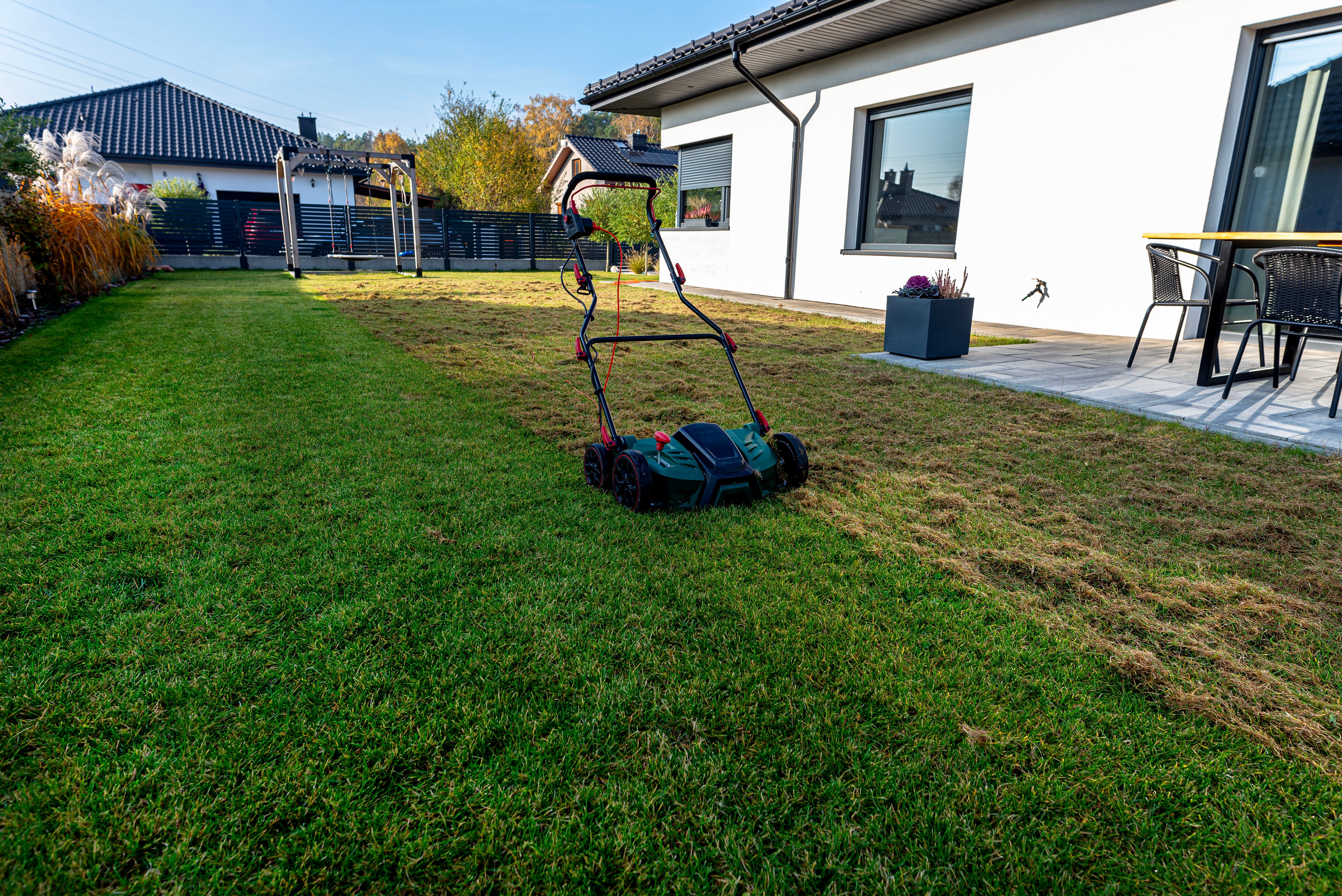
Thatch is a layer of dead grass and roots that can accumulate on the surface of your lawn. While a small amount of thatch is normal, excessive buildup can prevent water and nutrients from reaching the soil. To prevent this, consider regular dethatching using a specialized rake or machine. This process should be done in the growing season for the best results.
Managing Weeds
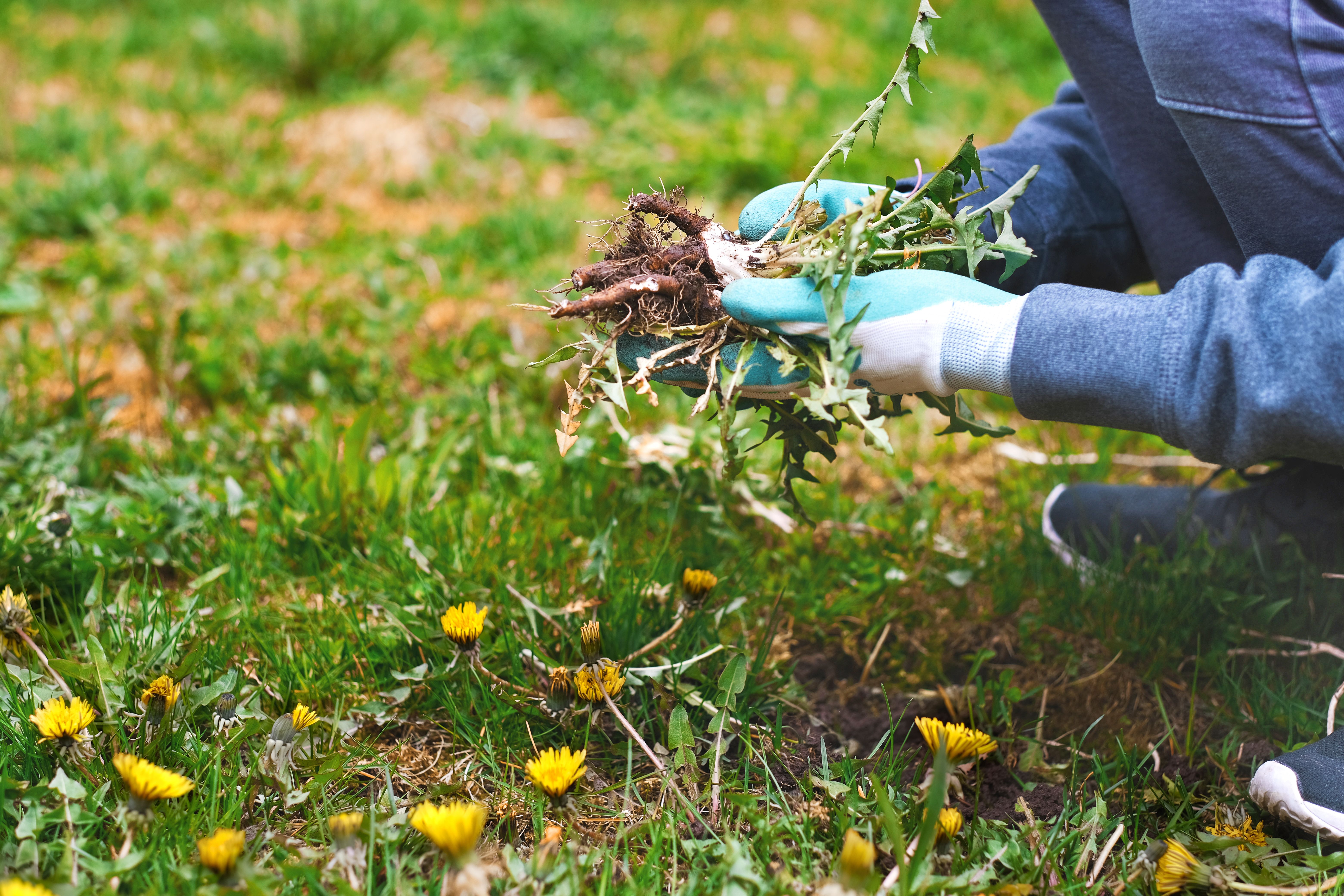
Weeds can quickly become a problem in Bermuda grass lawns. The best way to manage weeds is through a combination of pre-emergent and post-emergent herbicides. Applying a pre-emergent herbicide in early spring can prevent many common weeds from taking root. For existing weeds, a post-emergent solution may be necessary.
Proper Watering Techniques
Watering is crucial for the health of your Bermuda grass lawn. However, overwatering can lead to issues like root rot and fungal diseases. Aim to water deeply but infrequently, allowing the topsoil to dry out between sessions. This encourages deep root growth and healthier grass.
Aeration for Better Soil Health
Aeration is another essential practice for maintaining a healthy Bermuda grass lawn. This process involves perforating the soil with small holes to allow air, water, and nutrients to penetrate the roots. Aeration should be done at least once a year, preferably in the spring or early summer.
Fertilization Strategies
Proper fertilization is key to a vibrant Bermuda grass lawn. Use a balanced fertilizer that contains nitrogen, phosphorus, and potassium. Applying fertilizer during the growing season will promote lush growth. Be sure to follow the instructions on the fertilizer package for the best results.
Dealing with Pests
Bermuda grass can attract several types of pests such as grubs and armyworms. Regularly inspect your lawn for signs of pest activity, such as brown patches or chewed blades. If you notice any issues, use an appropriate pesticide to address the problem quickly.
By following these expert tips, you can prevent common Bermuda grass lawn problems and maintain a beautiful, healthy lawn year-round.