DIY Lawn Care: Transforming Your Bermuda Grass Lawn at Home


Understanding Bermuda Grass
Bermuda grass is a popular choice for homeowners due to its resilience and lush appearance. It's well-suited for warm climates and provides a dense, green lawn when properly maintained. However, like any grass, it requires specific care to thrive.
This post will guide you through a DIY approach to transforming your Bermuda grass lawn, helping you maintain a healthy and vibrant yard all year long.
Soil Preparation
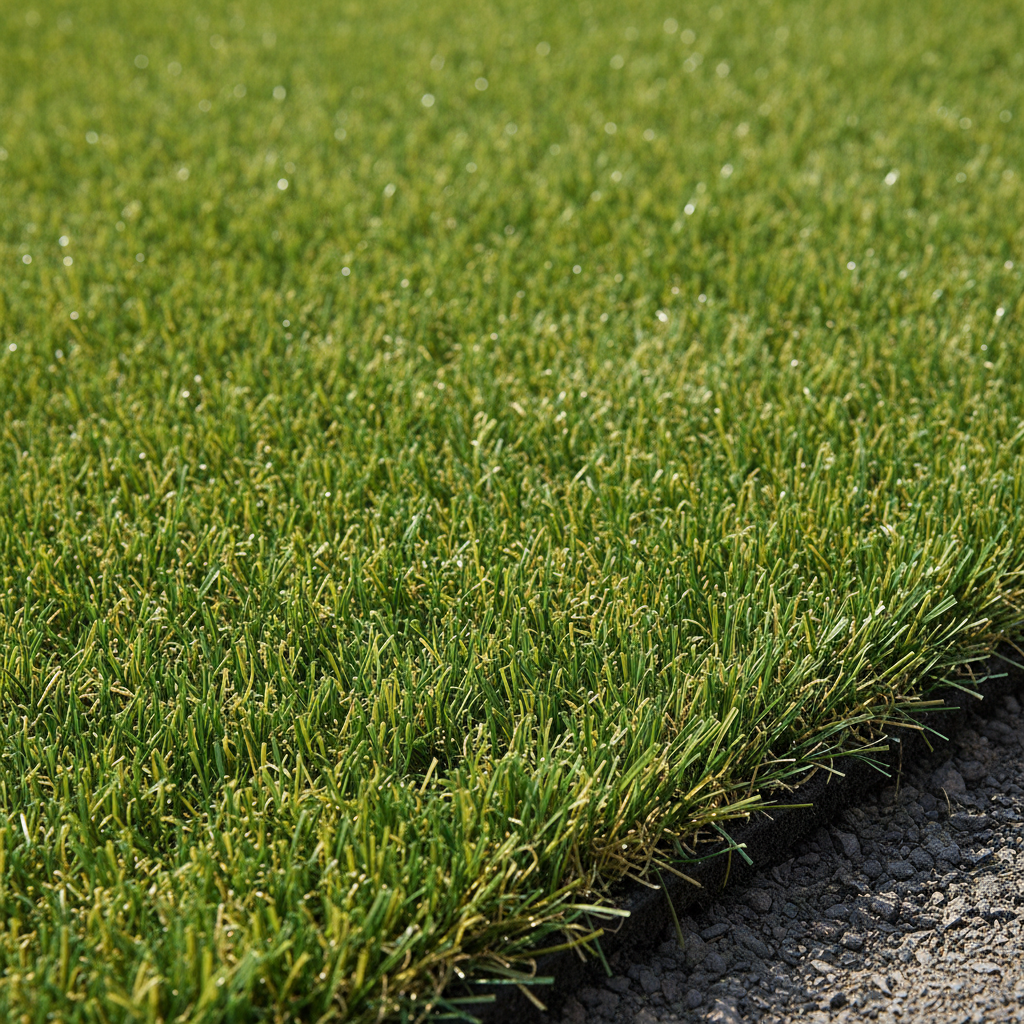
Before planting or reviving your Bermuda grass, it's crucial to prepare the soil properly. Start by testing the soil pH, which should ideally be between 5.8 and 7.0. You can adjust the pH level by adding lime to raise it or sulfur to lower it.
Once the pH is adjusted, aerate the soil to improve water and nutrient absorption. This process involves making small holes in the ground to allow air, water, and nutrients to penetrate the roots more effectively.
Fertilization
Bermuda grass requires regular fertilization to maintain its vibrant color. Use a nitrogen-rich fertilizer every six weeks during the growing season, typically from spring to early fall. Follow the manufacturer's instructions for the best results.
Watering Techniques
Proper watering is essential for Bermuda grass health. It thrives in well-drained soil and requires about 1 to 1.5 inches of water per week, either from rainfall or manual watering. Water deeply but infrequently to encourage deep root growth.
Avoid overwatering, which can lead to disease and shallow root systems. Early morning is the best time to water, reducing evaporation and allowing the grass to dry before evening.
Mowing Practices
Regular mowing is vital for Bermuda grass. Keep your lawn mower blades sharp and set the cutting height to 1 to 1.5 inches. Mowing too low can stress the grass, while cutting too high may encourage weed growth.

Weed and Pest Control
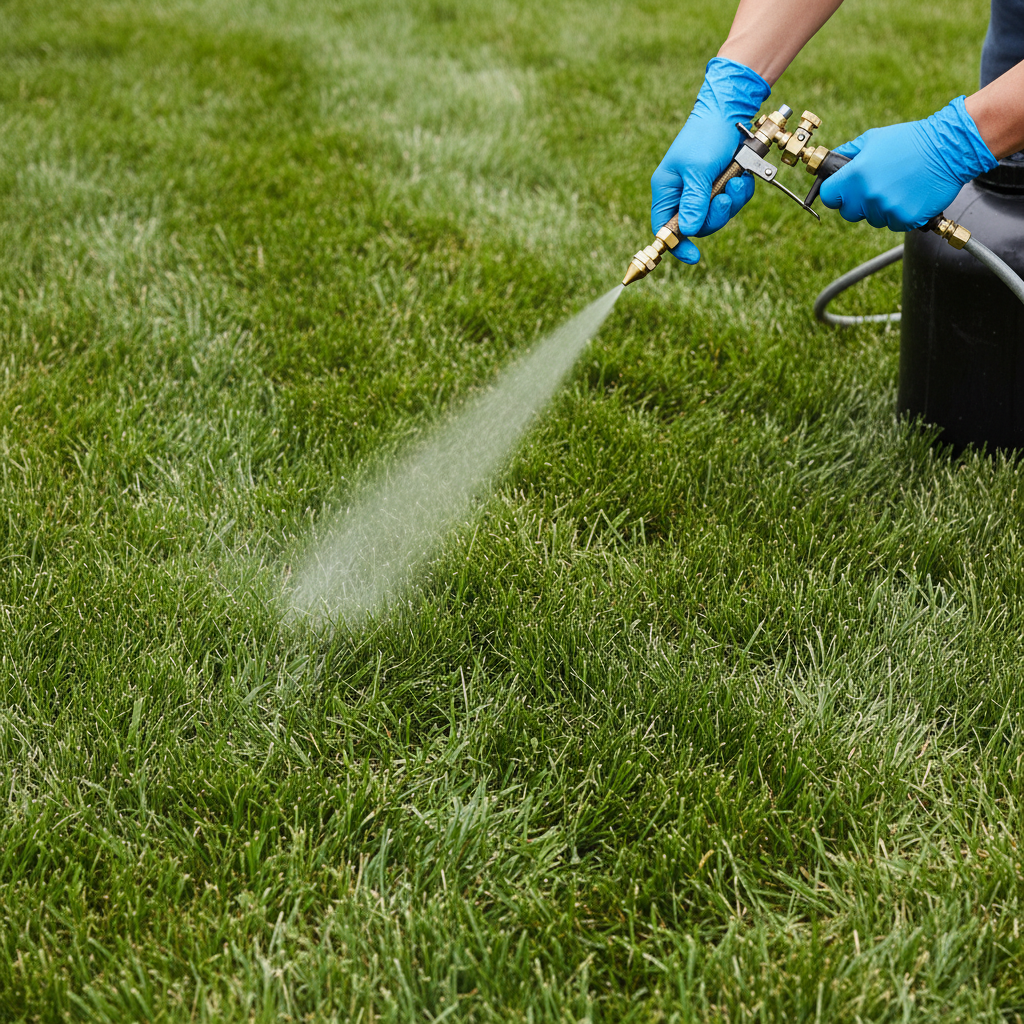
Bermuda grass can be susceptible to weeds and pests. Regularly inspect your lawn and use pre-emergent herbicides in early spring to prevent weed growth. For existing weeds, consider post-emergent herbicides, but follow the instructions carefully to avoid damaging your grass.
Pest control is also crucial. Monitor for signs of insects such as grubs and treat them promptly with appropriate pesticides or natural remedies.
Overseeding
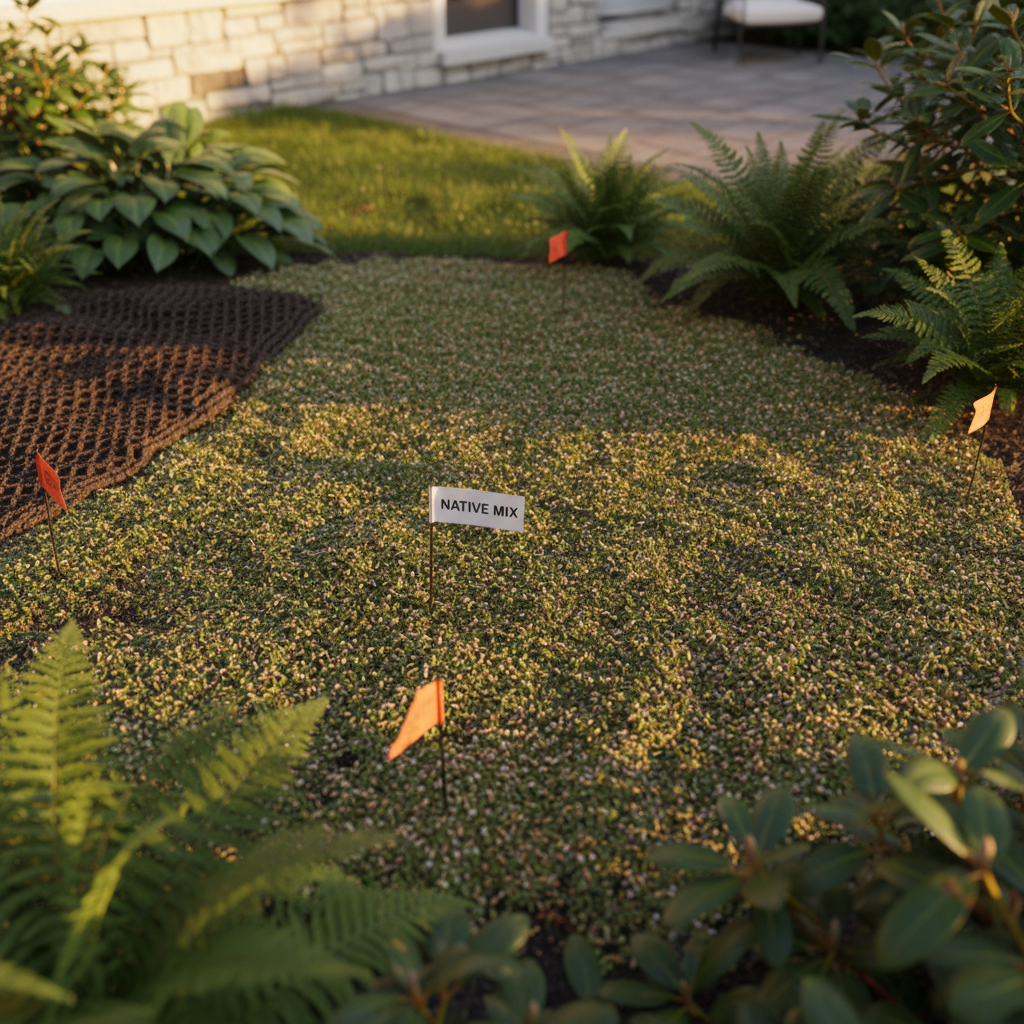
Over time, Bermuda grass may thin out. Overseeding can rejuvenate your lawn and fill in bare spots. Early spring or late summer is the ideal time for overseeding. Choose a variety compatible with your existing grass for the best results.
Consistent Care
Maintaining a Bermuda grass lawn requires consistent effort, but the results are rewarding. With proper soil preparation, fertilization, watering, mowing, and pest control, your lawn can remain healthy and beautiful.
By following these DIY tips, you can transform your Bermuda grass lawn into a lush, green oasis that enhances your home's curb appeal and provides a pleasant outdoor space for relaxation and entertainment.