DIY Lawn Care: Tips and Tricks for Maintaining Bermuda Grass


Understanding Bermuda Grass
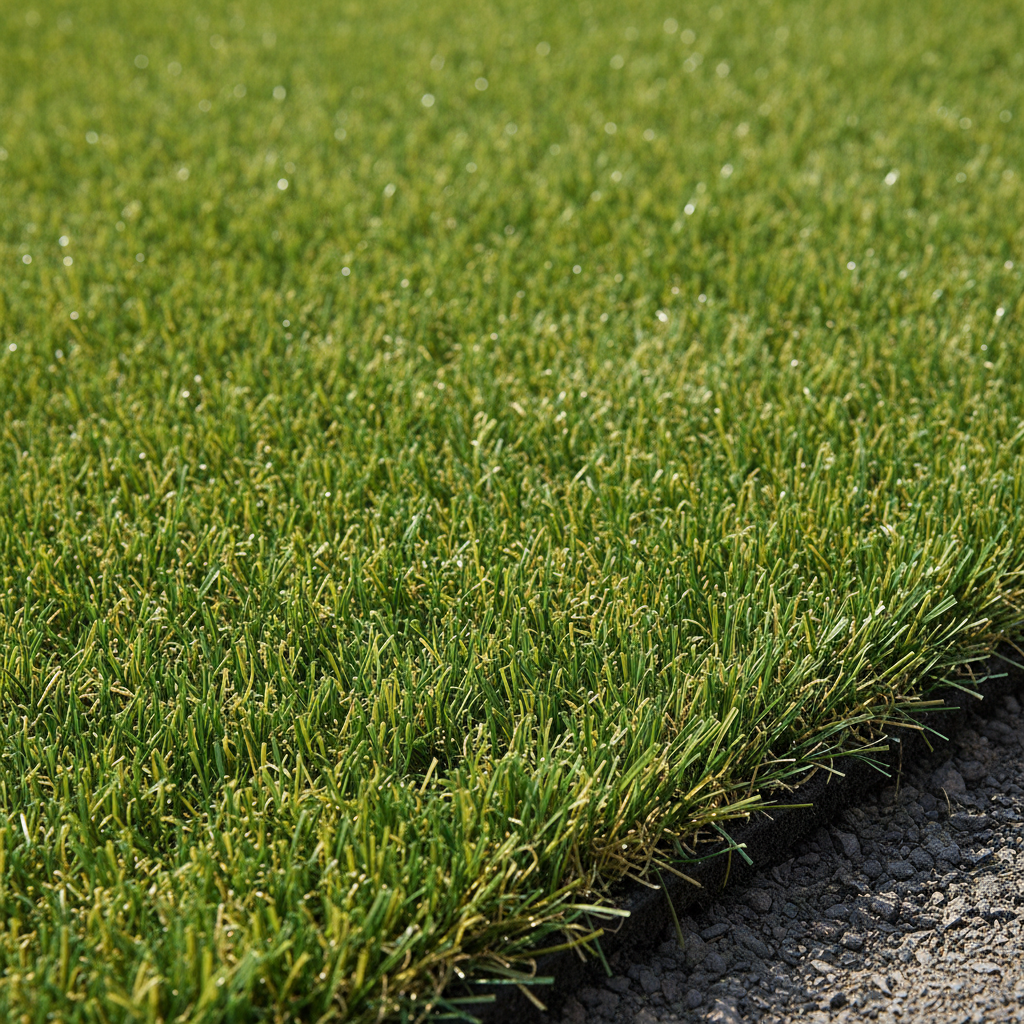
Bermuda grass is a popular choice for homeowners due to its resilience and ability to thrive in warm climates. Known for its dense and lush appearance, this grass type is perfect for creating a vibrant, green lawn. However, maintaining Bermuda grass requires specific care techniques to ensure it remains healthy and appealing.
Soil Preparation and Testing
Before planting Bermuda grass, it's crucial to prepare the soil properly. Start by testing the soil to understand its pH level and nutrient content. Bermuda grass typically thrives in slightly acidic to neutral soil, with a pH level between 6.0 and 7.0.
Once you have the test results, amend the soil accordingly with lime or sulfur to adjust the pH. Additionally, incorporate organic matter like compost to improve soil texture and fertility, providing an optimal environment for your Bermuda grass to grow.
Proper Watering Techniques
Watering is essential for maintaining healthy Bermuda grass. It's best to water deeply and infrequently to encourage deep root growth. Aim to water your lawn early in the morning to minimize evaporation and fungal diseases.

During the growing season, Bermuda grass typically requires about 1 to 1.5 inches of water per week, including rainfall. Use a rain gauge or moisture sensor to ensure your lawn receives the right amount of water, adjusting as necessary based on weather conditions.
Effective Mowing Practices
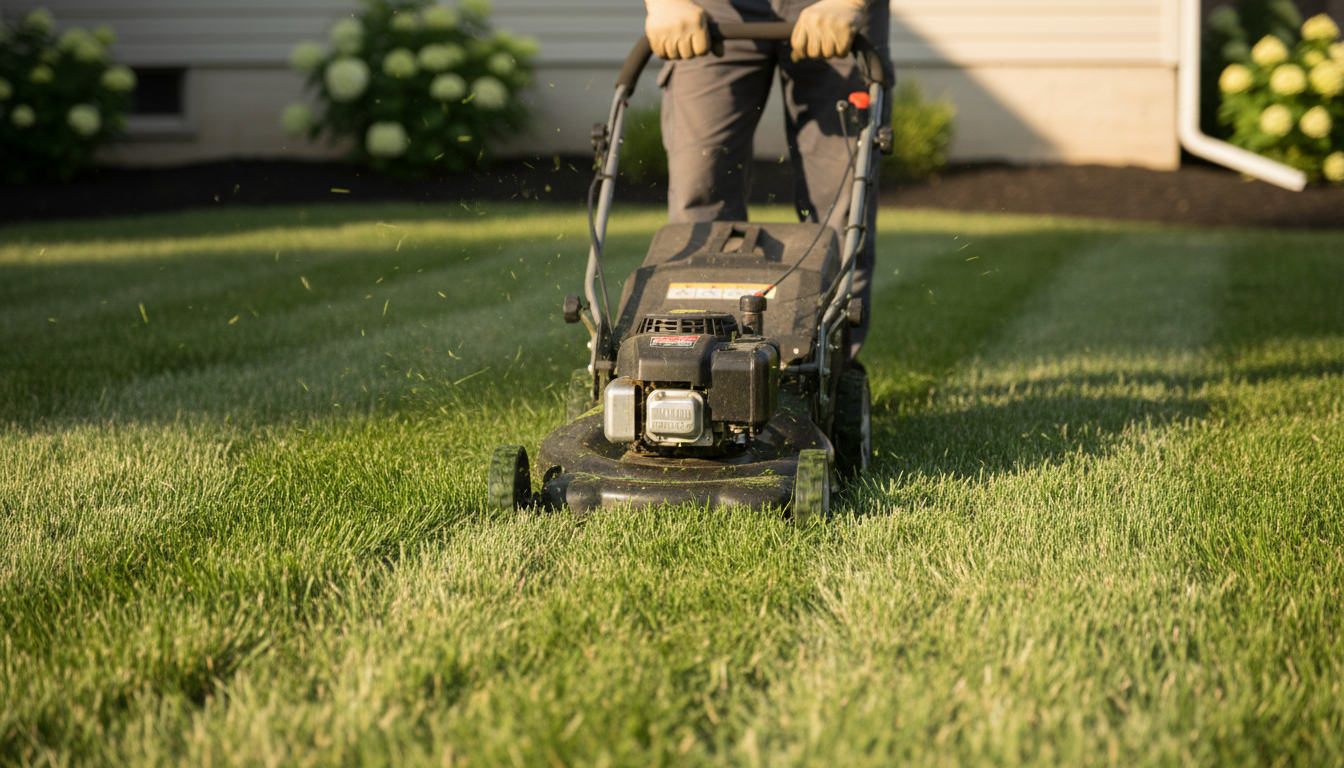
Regular mowing is vital for keeping Bermuda grass healthy. Maintain a mowing height of 1 to 1.5 inches to promote dense growth and discourage weeds. Use a sharp mower blade to ensure clean cuts, preventing damage to the grass blades.
During peak growing seasons, you may need to mow every 5 to 7 days. Avoid cutting more than one-third of the grass height at a time, as this can stress the grass and hinder growth.
Fertilization and Weed Control
Fertilization is crucial for maintaining the vibrant color and density of Bermuda grass. Use a balanced fertilizer with equal parts nitrogen, phosphorus, and potassium. Apply fertilizer in early spring and again in late summer for best results.
To manage weeds, consider applying a pre-emergent herbicide in early spring. This will prevent common weeds from taking root and competing with your Bermuda grass for nutrients and water.
Pest and Disease Management
Bermuda grass is relatively resistant to pests and diseases, but it's still essential to monitor your lawn for signs of trouble. Common pests include armyworms and grubs, which can be controlled with appropriate insecticides if necessary.
Regularly inspect your lawn for any signs of fungal diseases, such as brown patches or yellowing. If detected, treat with a fungicide specifically designed for Bermuda grass to prevent further damage.
Seasonal Maintenance Tips
Each season brings unique challenges and tasks for maintaining your Bermuda grass lawn. In the spring, focus on fertilization and weed prevention. Summer requires diligent watering and mowing practices to withstand the heat.
As fall approaches, gradually reduce watering and prepare your lawn for dormancy by applying a winterizing fertilizer. This will help your Bermuda grass recover quickly when spring returns.

Conclusion
With the right care and attention, Bermuda grass can provide a lush and inviting landscape for your home. By understanding its specific needs and following these DIY tips, you can maintain a healthy and beautiful lawn throughout the year.