DIY Bermuda Grass Care: Tips from the Pros


Understanding Bermuda Grass
Bermuda grass is a popular choice for lawns due to its durability and lush appearance. Known for thriving in warm climates, it can withstand heavy foot traffic and recovers quickly from damage. However, to maintain its vibrant look, consistent care is essential.

Soil Preparation
Before planting Bermuda grass, proper soil preparation is crucial. Start by testing the soil to ensure it has the right pH level, ideally between 5.8 and 7.0. Amend the soil with lime if necessary to adjust the pH. Additionally, ensure the soil is well-draining to prevent waterlogging, which can harm the grass roots.
Planting Bermuda Grass
When it comes to planting, you have several options: seeds, sod, or plugs. Each method has its advantages. Seeds are economical and cover large areas, while sod offers an instant lawn. Plugs are a good compromise, filling in more slowly than sod but faster than seeds.

Watering Tips
Proper watering is key to a healthy Bermuda grass lawn. During the growing season, water deeply but infrequently to encourage deep root growth. Aim for about 1 to 1.5 inches of water per week. Early morning is the best time to water, reducing evaporation and disease risk.
Fertilizing Your Lawn
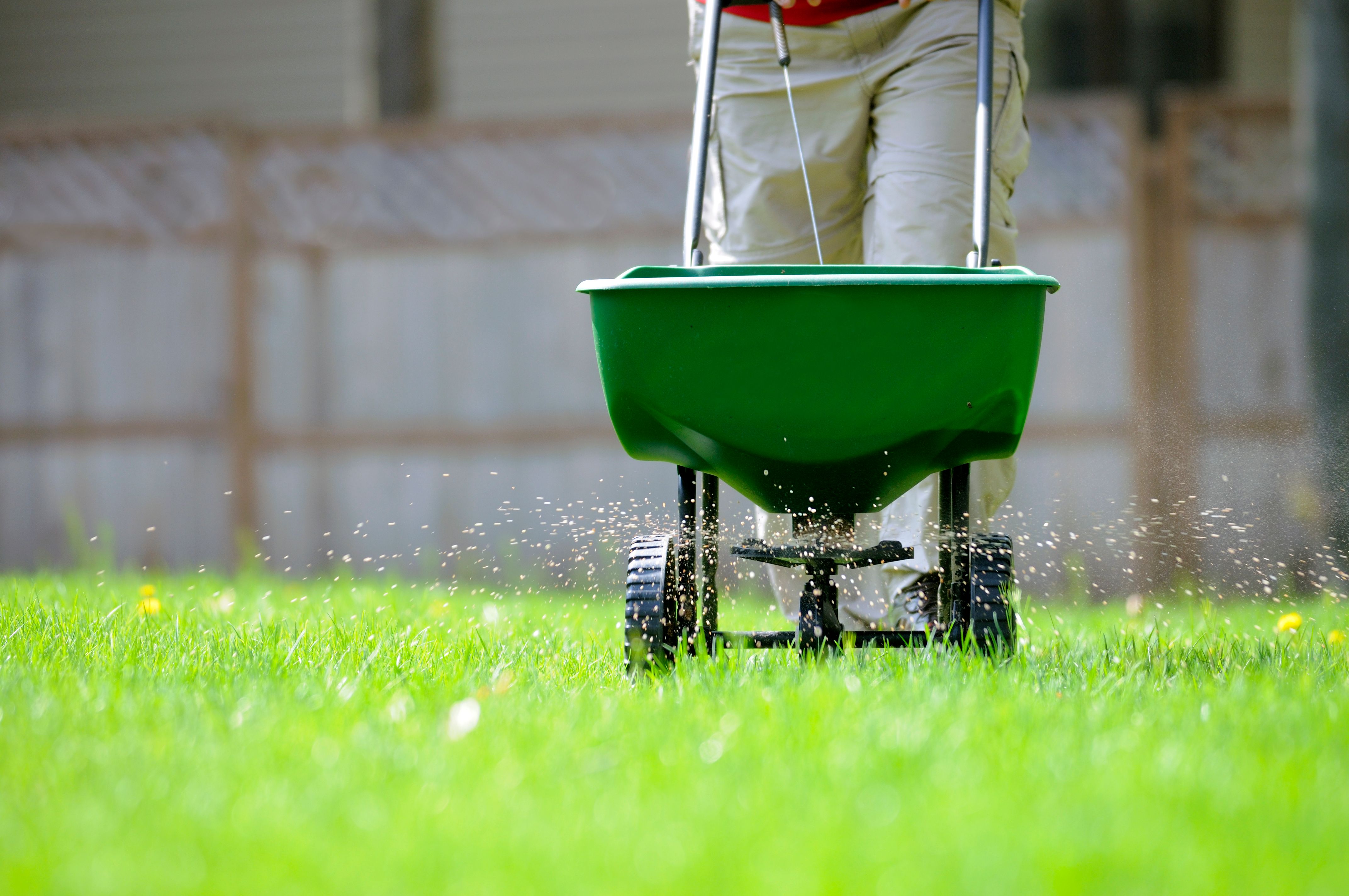
Fertilizing is essential for maintaining the lush green color of Bermuda grass. Use a balanced fertilizer with a ratio like 16-4-8, and apply it every 6 to 8 weeks during the growing season. Be careful not to over-fertilize, as this can lead to thatch buildup and disease.
Mowing Techniques
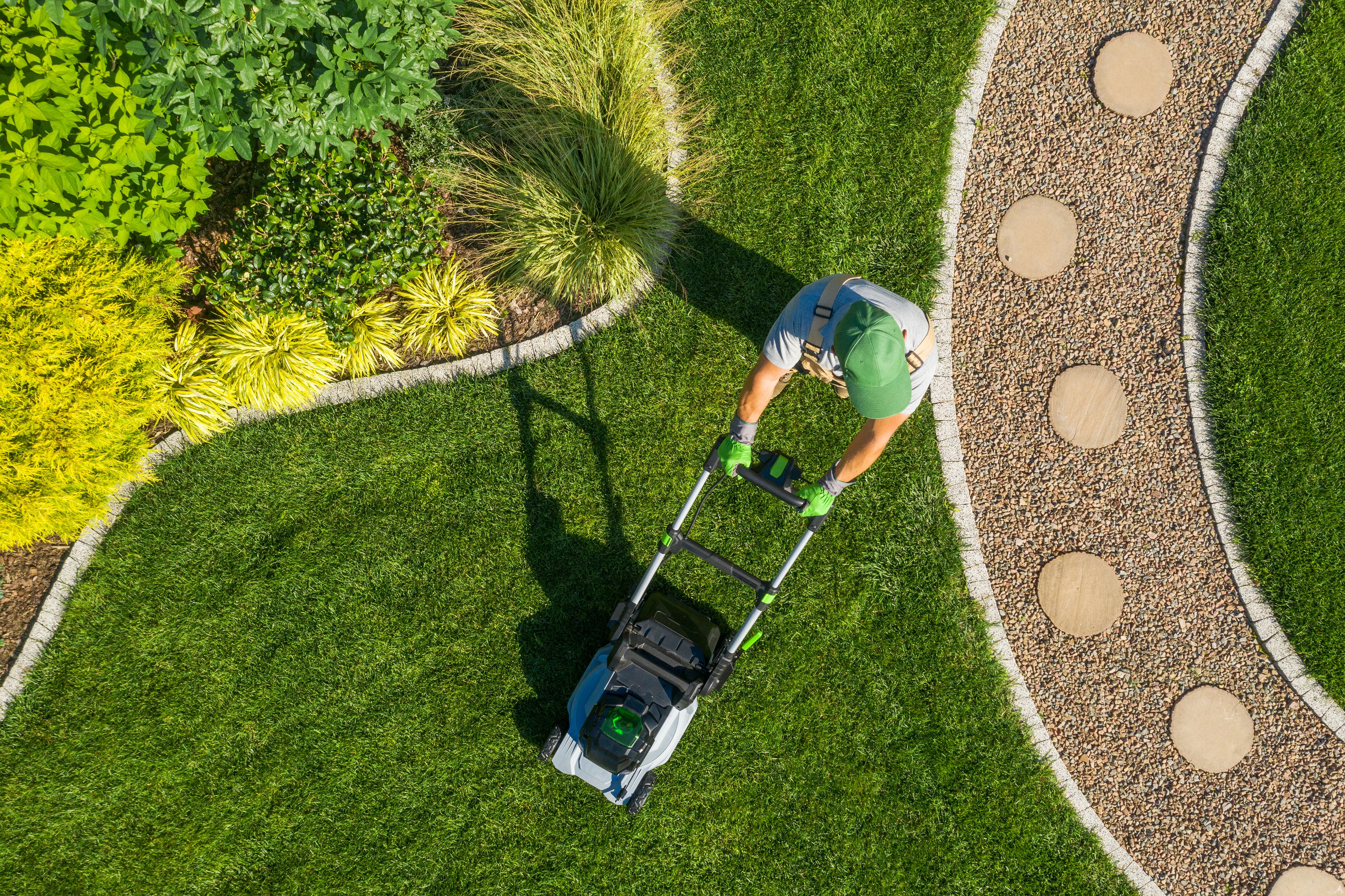
Mowing is more than just cutting grass; it's about keeping your lawn healthy. For Bermuda grass, maintain a height between 1 and 1.5 inches. Regular mowing encourages denser growth and prevents weeds. Ensure your mower blades are sharp to avoid tearing the grass, which can cause brown tips.
Pest and Weed Control
Bermuda grass is generally resistant to pests, but vigilance is necessary. Regularly check for signs of pests such as grubs or armyworms. Use appropriate pesticides if needed. For weeds, a pre-emergent herbicide applied in early spring can prevent them from taking hold.
Seasonal Care
Adjust your care routine based on the season. In the fall, reduce watering and mowing frequency as growth slows. Aerate the soil to alleviate compaction and improve nutrient absorption. In winter, Bermuda grass goes dormant, requiring minimal care until spring.
By following these expert tips, you'll ensure your Bermuda grass remains lush and healthy year-round. With proper care, your lawn can be the envy of the neighborhood, providing a beautiful and durable outdoor space for your enjoyment.