DIY Bermuda Grass Care: Expert Tips for Homeowners


Maintaining a lush and healthy Bermuda grass lawn can be a rewarding endeavor for homeowners who enjoy DIY projects. With its vibrant color and dense growth, Bermuda grass is a popular choice for lawns in warm climates. Here are some expert tips to help you care for your Bermuda grass and keep it looking its best all year round.
Understanding Bermuda Grass
Bermuda grass is a warm-season grass that thrives in sunny environments. It's known for its durability and ability to recover quickly from damage, making it ideal for high-traffic areas. However, it does require specific care practices to ensure optimal growth.

Planting and Establishment
When planting Bermuda grass, timing is crucial. The best time to plant is during late spring or early summer when soil temperatures are consistently warm. You can choose between seeding or sodding, depending on your preference and budget. Ensure the soil is well-prepared by tilling and adding organic matter to enhance its fertility.
Watering Practices
Proper watering is essential for Bermuda grass care. It's best to water deeply and infrequently to encourage deep root growth. Aim to water early in the morning to minimize evaporation and fungal diseases. Generally, Bermuda grass requires about 1 to 1.5 inches of water per week, including rainfall.

Mowing Techniques
Mowing your Bermuda grass correctly is vital to its health. Set your mower to a height of about 1 to 1.5 inches. Regular mowing, at least once a week during the growing season, helps maintain its density. Avoid cutting more than one-third of the grass blade at a time to prevent stress.
Fertilization and Soil Health
Fertilizing Bermuda grass is key to its lush appearance. Use a balanced fertilizer in the spring and summer to promote growth. Conduct a soil test to determine nutrient needs and adjust your fertilization schedule accordingly. Healthy soil supports vigorous Bermuda grass growth.
Weed and Pest Control
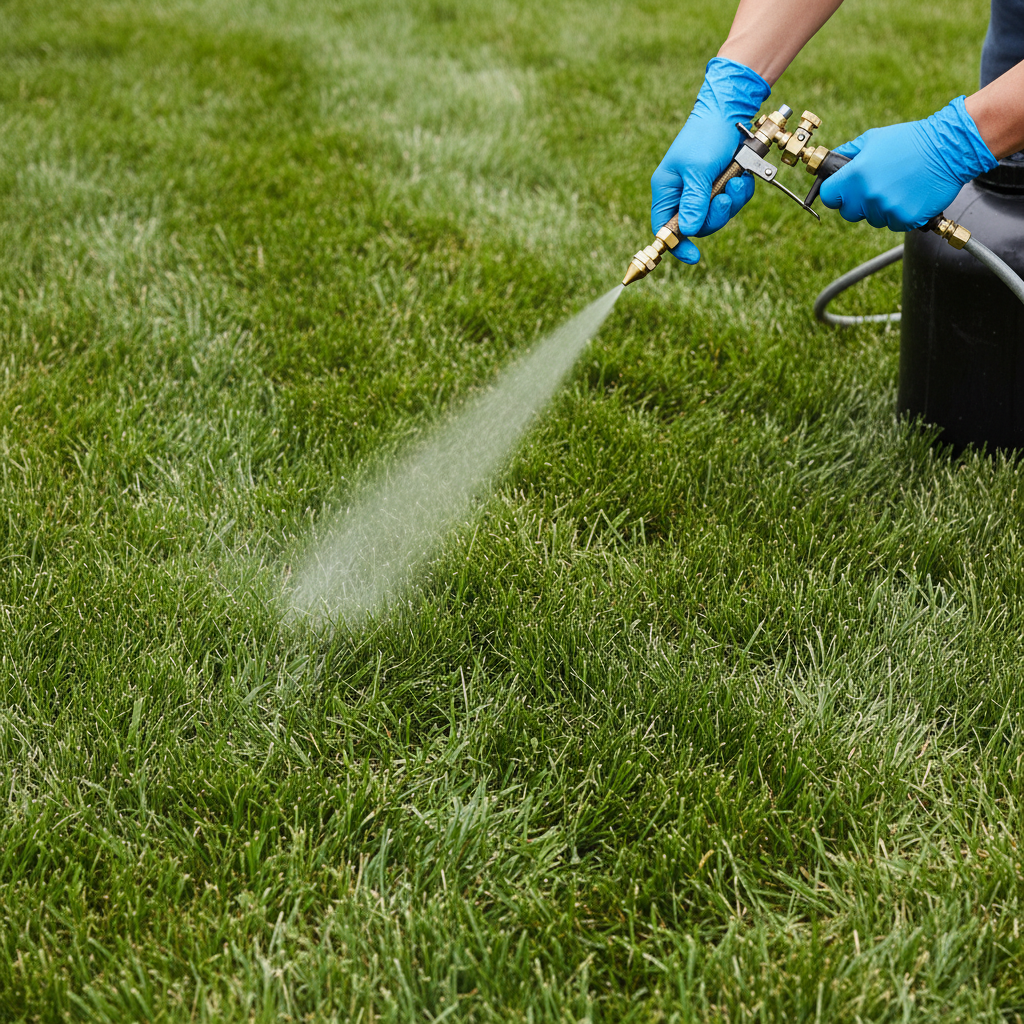
Bermuda grass, while hardy, can be susceptible to weeds and pests. Pre-emergent herbicides can prevent weed seeds from germinating. For pests like armyworms or grubs, consider natural predators or targeted treatments to avoid harming beneficial insects.
Seasonal Maintenance
Adjust your care routine with the changing seasons. In the fall, gradually reduce watering and mowing as the grass goes dormant. Overseeding with ryegrass can keep your lawn green during cooler months. In the spring, dethatch and aerate to prepare for the growing season.
By following these expert tips, you can enjoy a beautiful and healthy Bermuda grass lawn. Consistent care and attention to detail will ensure your lawn remains the envy of the neighborhood.