DIY Bermuda Grass Care: Expert Tips and Tricks


Understanding Bermuda Grass
Bermuda grass is a popular choice for lawns due to its hardiness and ability to withstand high temperatures. It's a warm-season grass that thrives in sunny environments, making it ideal for southern regions. Its dense growth pattern helps prevent weeds, but it also requires regular maintenance to look its best.
Soil Preparation
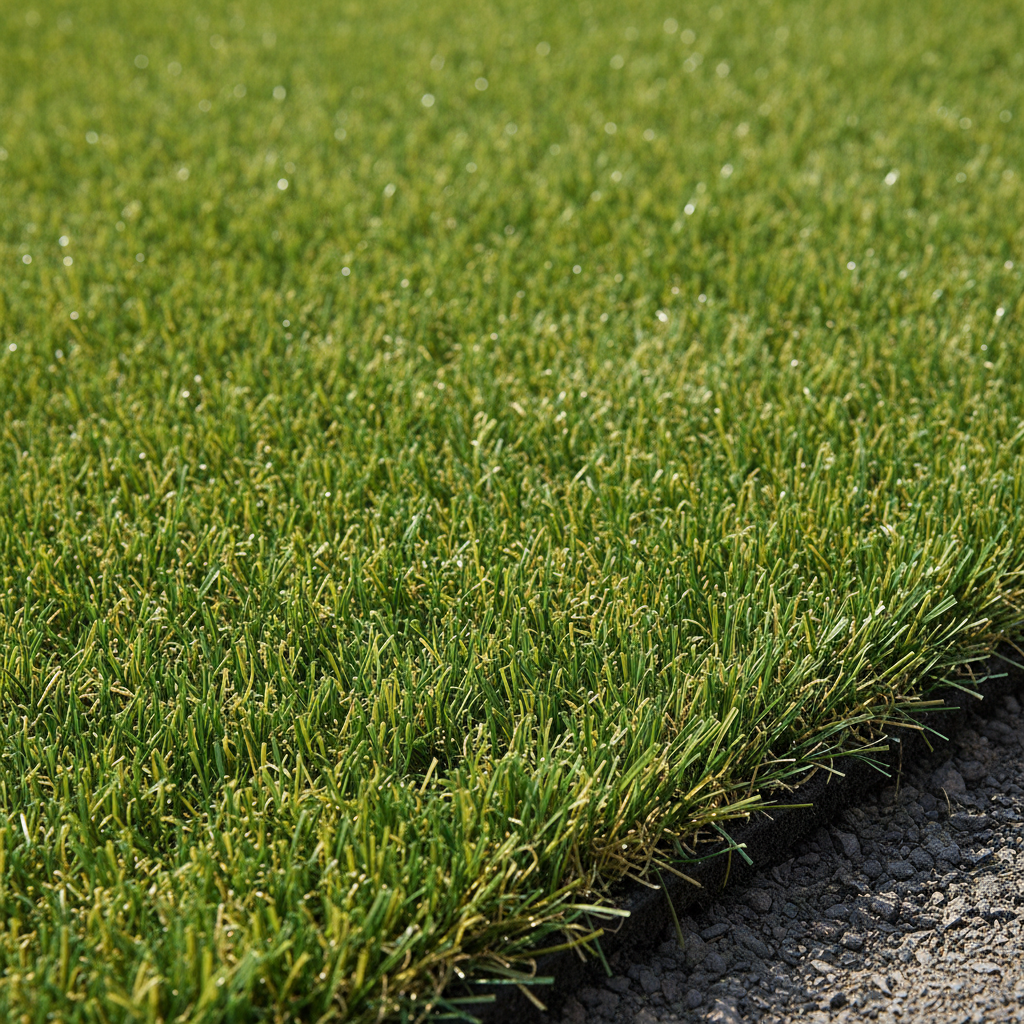
Before planting Bermuda grass, proper soil preparation is crucial. Start by testing the soil's pH level to ensure it falls between 5.8 and 7.0. If necessary, amend the soil with lime or sulfur to adjust the pH. Additionally, clear the area of debris and existing vegetation, and use a tiller to loosen the top six inches of soil.
Planting Bermuda Grass
Planting can be done through seeding, sodding, or sprigging. Seeding is cost-effective but requires patience, while sodding provides an instant lawn. For best results, plant during late spring or early summer when temperatures are consistently warm.
Seeding Tips
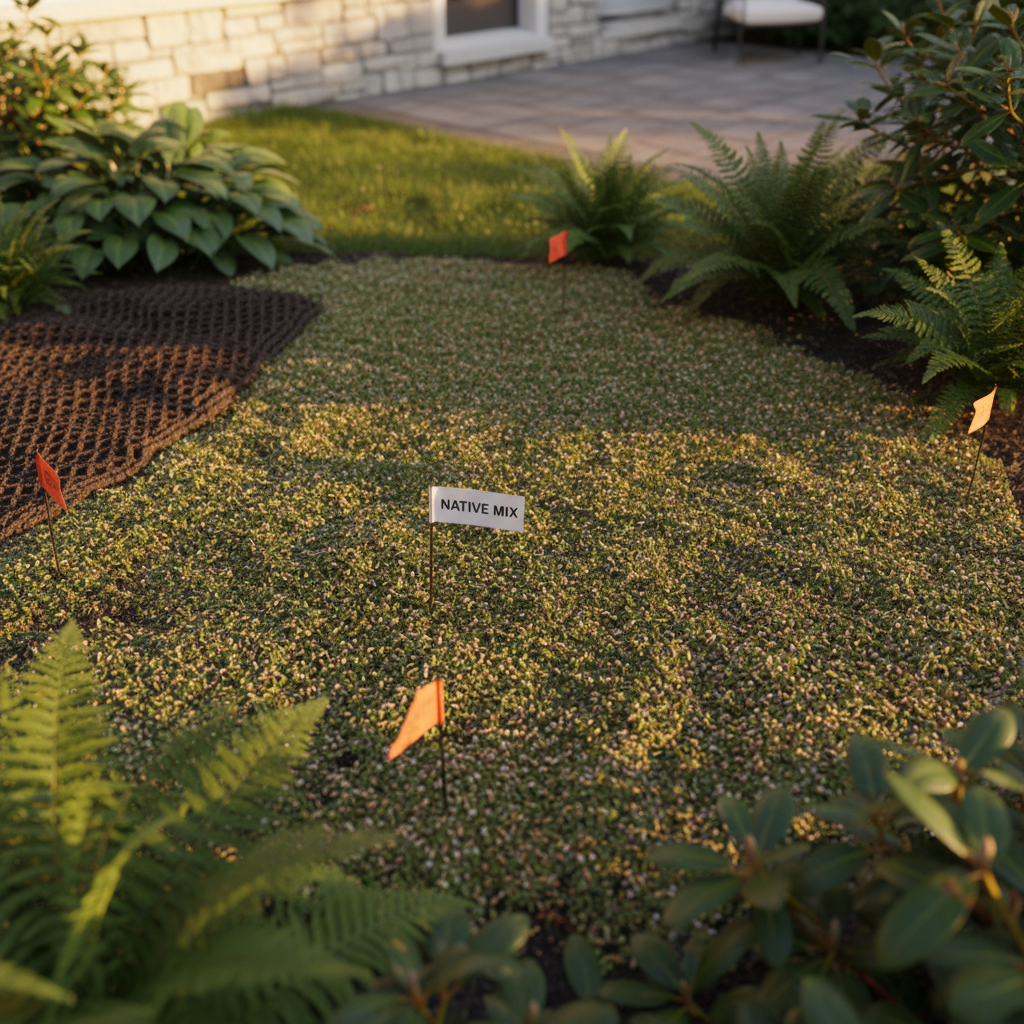
When seeding, distribute seeds evenly using a broadcast spreader. Lightly rake the seeds into the soil and water the area gently but thoroughly. Keep the soil consistently moist until the seeds germinate, which typically takes 7 to 10 days.
Watering and Mowing
Proper watering is essential for Bermuda grass health. Water deeply but infrequently to encourage deep root growth. Aim for about one inch of water per week, adjusting based on rainfall and temperature.

Mowing Practices
Regular mowing keeps Bermuda grass healthy and attractive. Maintain a height of 1 to 1.5 inches. Mow frequently enough to avoid removing more than one-third of the grass blade at a time, which can stress the plant.
Fertilization and Weed Control
Fertilize Bermuda grass every 6 to 8 weeks during the growing season with a balanced lawn fertilizer. This promotes lush growth and helps the grass outcompete weeds. Be cautious not to over-fertilize, as this can lead to thatch buildup and other issues.
Managing Weeds
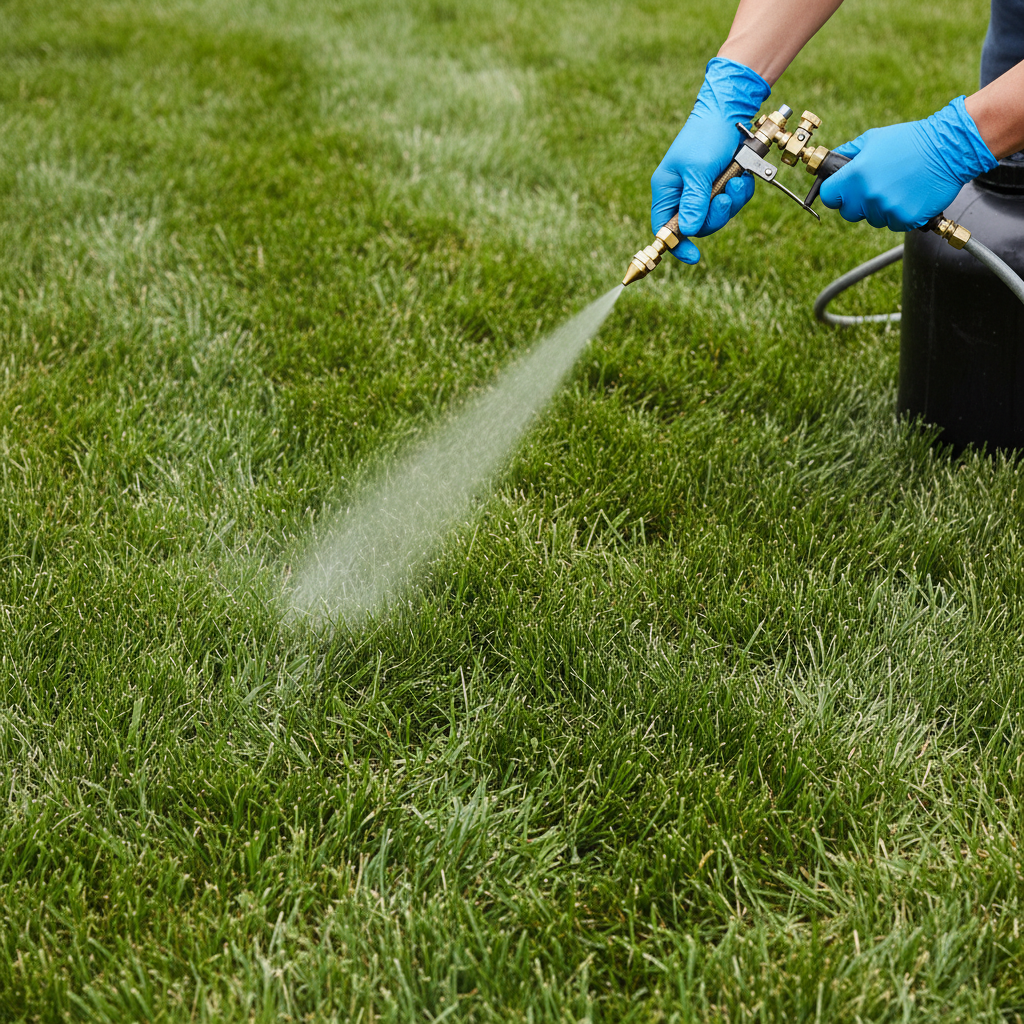
Weed control is vital for maintaining a healthy lawn. Use pre-emergent herbicides in early spring to prevent weeds from germinating. For existing weeds, spot-treat with post-emergent herbicides, taking care to follow label instructions to avoid damaging the grass.
Regular Maintenance
Aside from regular mowing, watering, and fertilizing, annual aeration can improve soil compaction and promote healthy root growth. Thatching, or removing the layer of dead grass and roots, may also be necessary every few years to ensure the grass receives adequate nutrients and water.
Dealing with Pests and Diseases
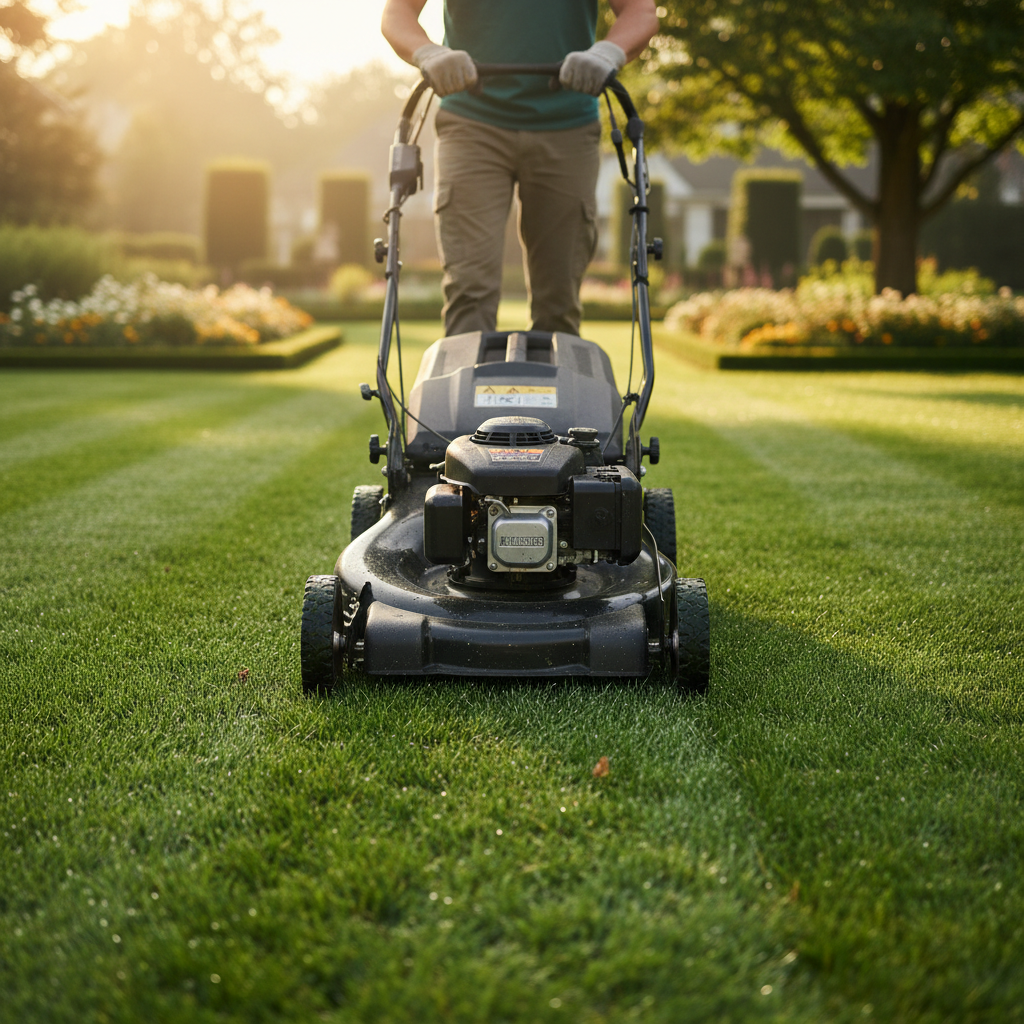
Bermuda grass can be susceptible to pests like armyworms and diseases such as dollar spot. Monitor your lawn regularly and apply appropriate treatments if signs of infestation or disease appear. Using integrated pest management practices can minimize chemical use and promote a healthier lawn.