Common Myths About Bermuda Grass: Expert Insights and Clarifications


Understanding Bermuda Grass
Bermuda grass is a popular choice for lawns, golf courses, and sports fields due to its durability and attractive appearance. However, despite its widespread use, many myths and misconceptions surround this versatile grass. In this post, we'll explore common myths about Bermuda grass and provide expert insights to clarify them.
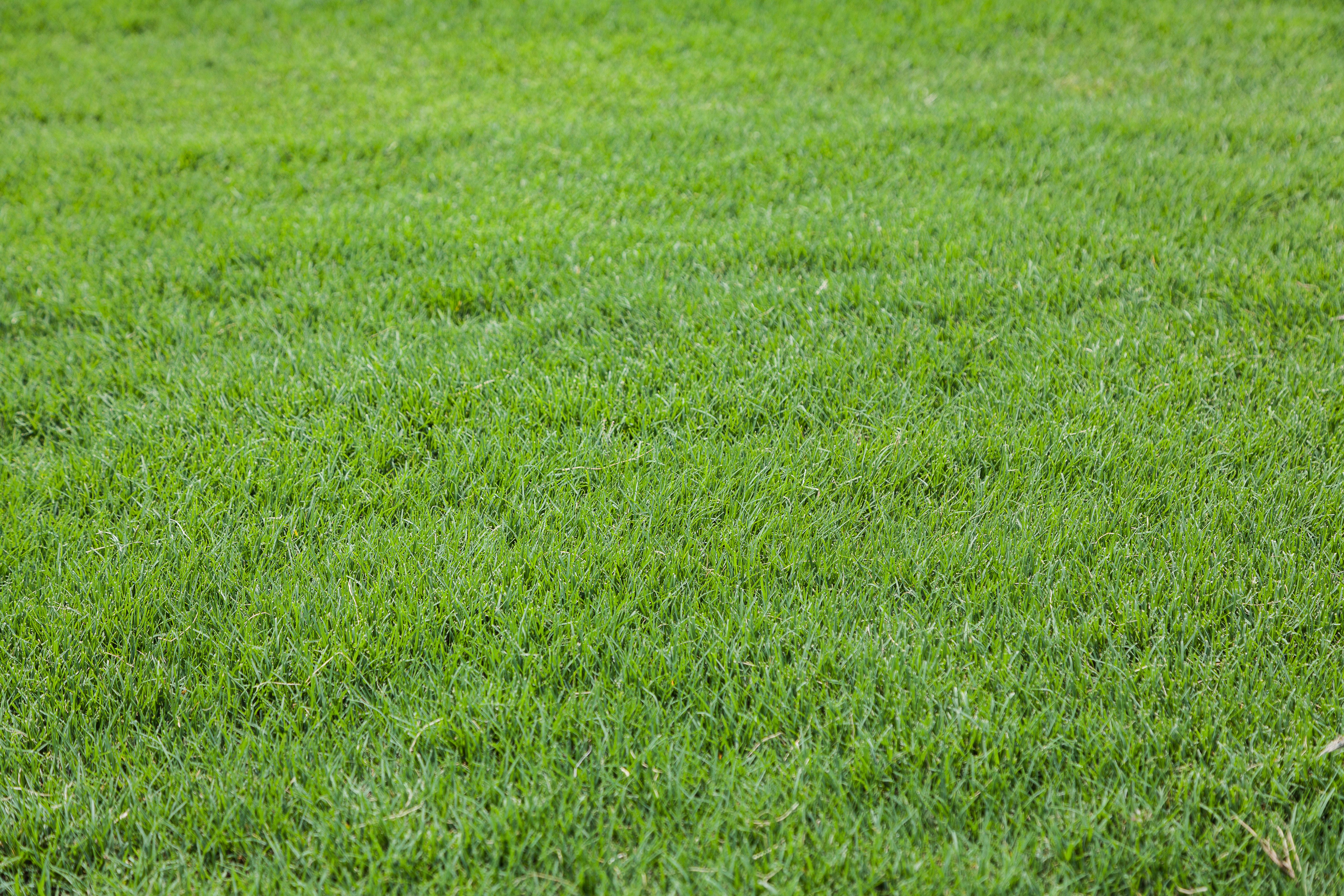
Myth 1: Bermuda Grass Is High Maintenance
One common belief is that Bermuda grass requires a lot of maintenance. While it's true that it needs regular care, it's not as demanding as some might think. Proper mowing, watering, and fertilizing can keep Bermuda grass healthy without excessive effort. It’s important to follow a consistent care routine to ensure lush growth.
Regular Mowing
Bermuda grass thrives when mowed to a height of 1-2 inches. Frequent mowing promotes dense growth and helps prevent weeds. Investing in a good mower can make this task easier and more efficient.
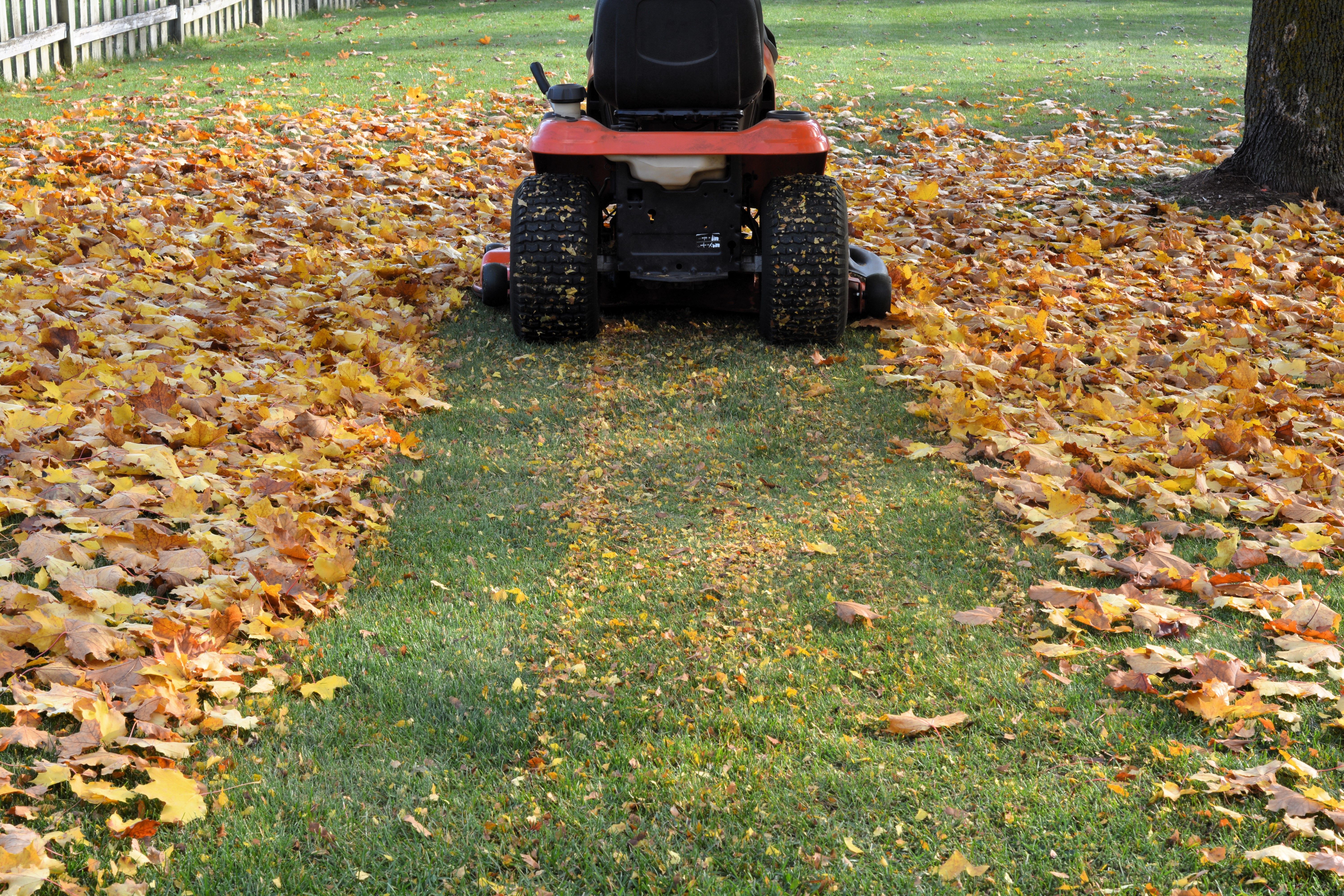
Myth 2: Bermuda Grass Can't Handle Cold
Another myth is that Bermuda grass cannot survive in cold climates. While it is true that Bermuda grass prefers warm temperatures, it can still tolerate cooler environments with proper care. In regions with mild winters, it can remain dormant and bounce back in spring.
- Frost Resistance: Bermuda grass can survive light frosts, but prolonged freezing temperatures may require overseeding with a cool-season grass.
- Winter Care: Applying a winter fertilizer can help strengthen the grass for the cold months.
Myth 3: Bermuda Grass Is Invasive
Some people worry that Bermuda grass is too aggressive and will invade other areas of their yard. While it is indeed fast-growing and can spread quickly, proper management can prevent it from becoming invasive. Edging and regular trimming around borders can control its spread effectively.

Myth 4: Bermuda Grass Is Prone to Disease
There is a misconception that Bermuda grass is highly susceptible to diseases. In reality, it is quite resilient and can resist many common lawn issues. However, like any grass, it can be affected by disease if not properly maintained.
Preventive Measures
To minimize the risk of disease, ensure proper watering, mowing, and fertilization. Avoid overwatering, as this can create conditions favorable for fungal growth. Aerating the soil annually can also help promote healthy root development.
Conclusion
Understanding the realities of Bermuda grass can help you make informed decisions about its use in your landscape. By dispelling these myths and applying expert insights, you can enjoy the benefits of a beautiful and resilient lawn. Whether you’re a seasoned gardener or a lawn care novice, Bermuda grass offers a reliable option that, with the right care, can enhance any outdoor space.