Common Lawn Care Myths Debunked by the Experts


The Truth About Lawn Watering
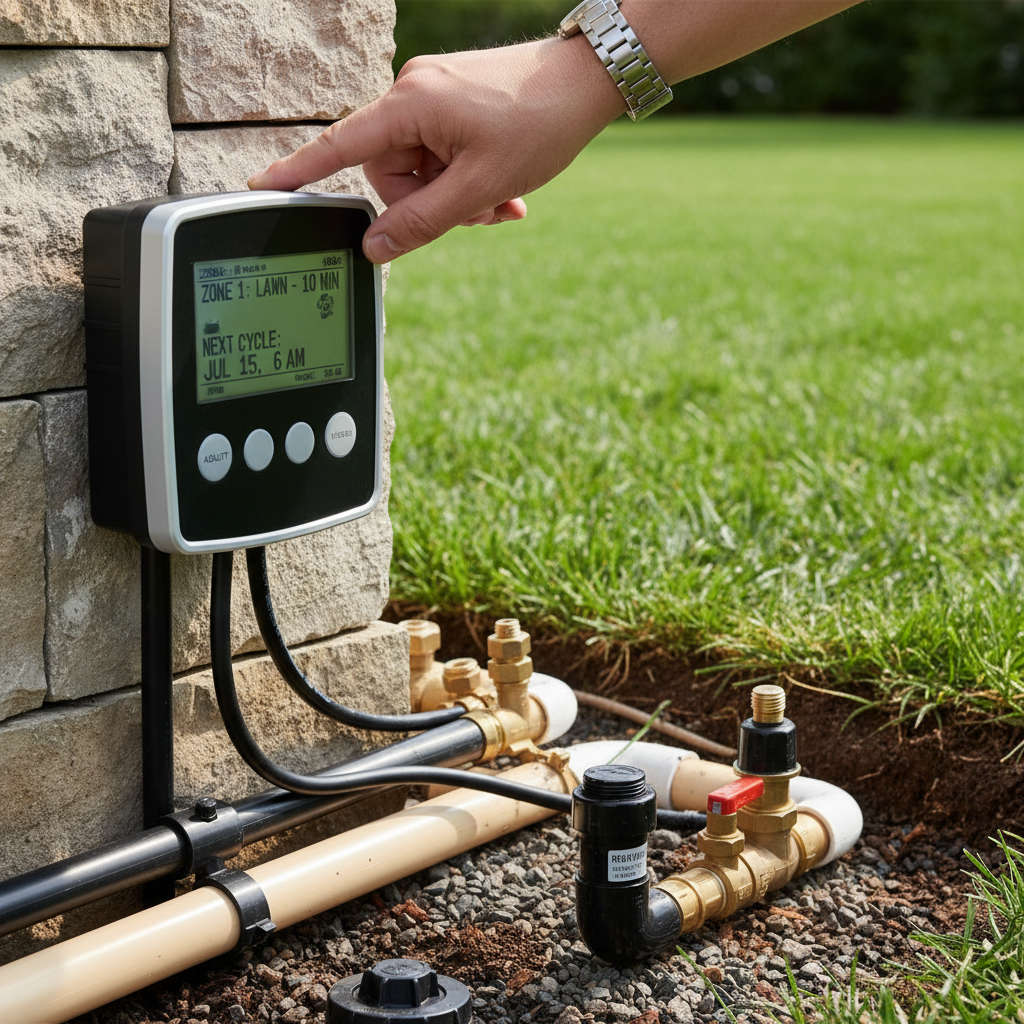
One of the most common myths about lawn care is that watering your lawn every day is necessary for healthy grass. In reality, this can lead to overwatering, which promotes shallow root growth and makes your lawn more susceptible to disease. Experts recommend watering deeply but infrequently, allowing the soil to dry out between sessions.
To determine if your lawn needs watering, simply step on the grass. If it springs back, it doesn’t need water. If it stays flat, it’s time to water. Aim to water in the early morning to minimize evaporation and fungal diseases.
Fertilizing: More Isn’t Always Better
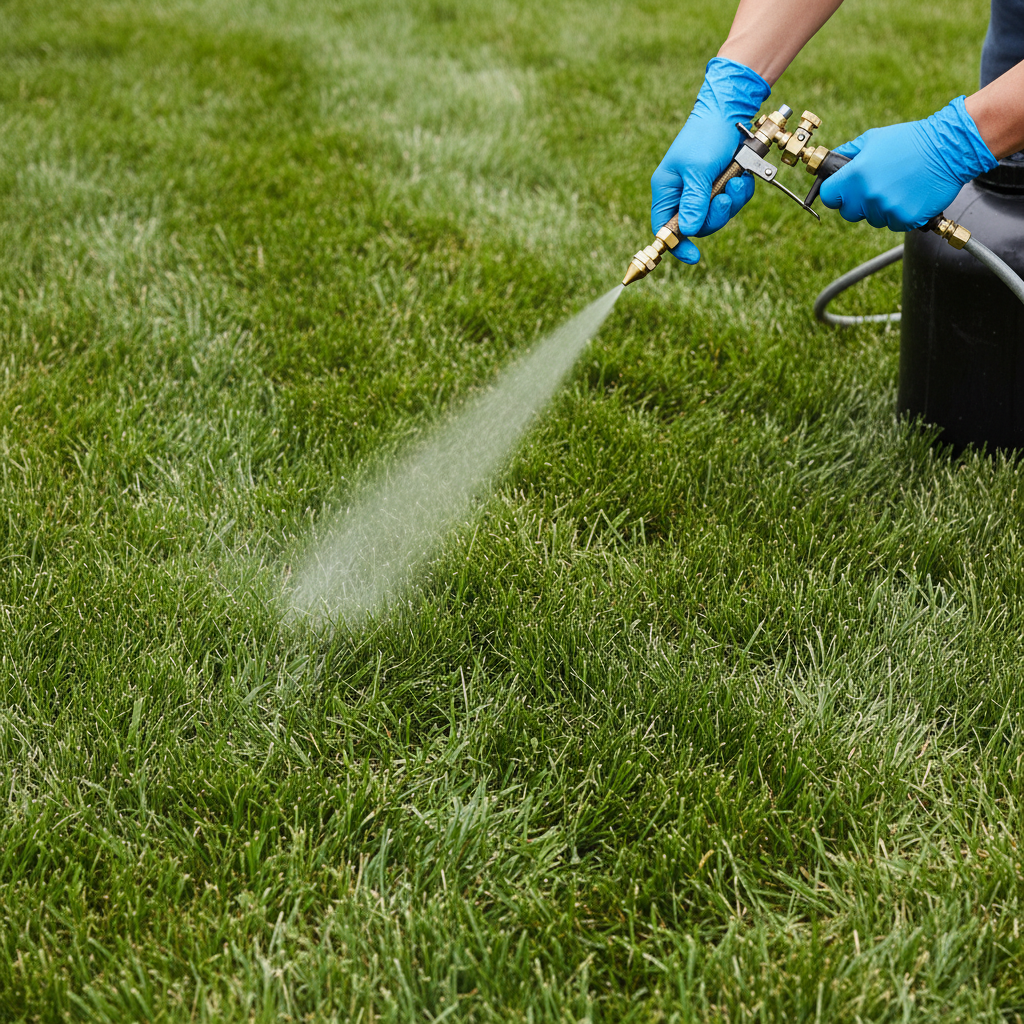
Another widespread myth is that applying more fertilizer will result in a greener, healthier lawn. However, over-fertilization can damage your lawn by burning the grass and harming beneficial soil organisms. It can also contribute to environmental issues like runoff and water pollution.
Experts suggest following a balanced fertilization schedule based on your grass type and soil needs. A soil test can provide insights into the specific nutrients your lawn requires, helping you avoid unnecessary applications.
The Real Deal on Mowing
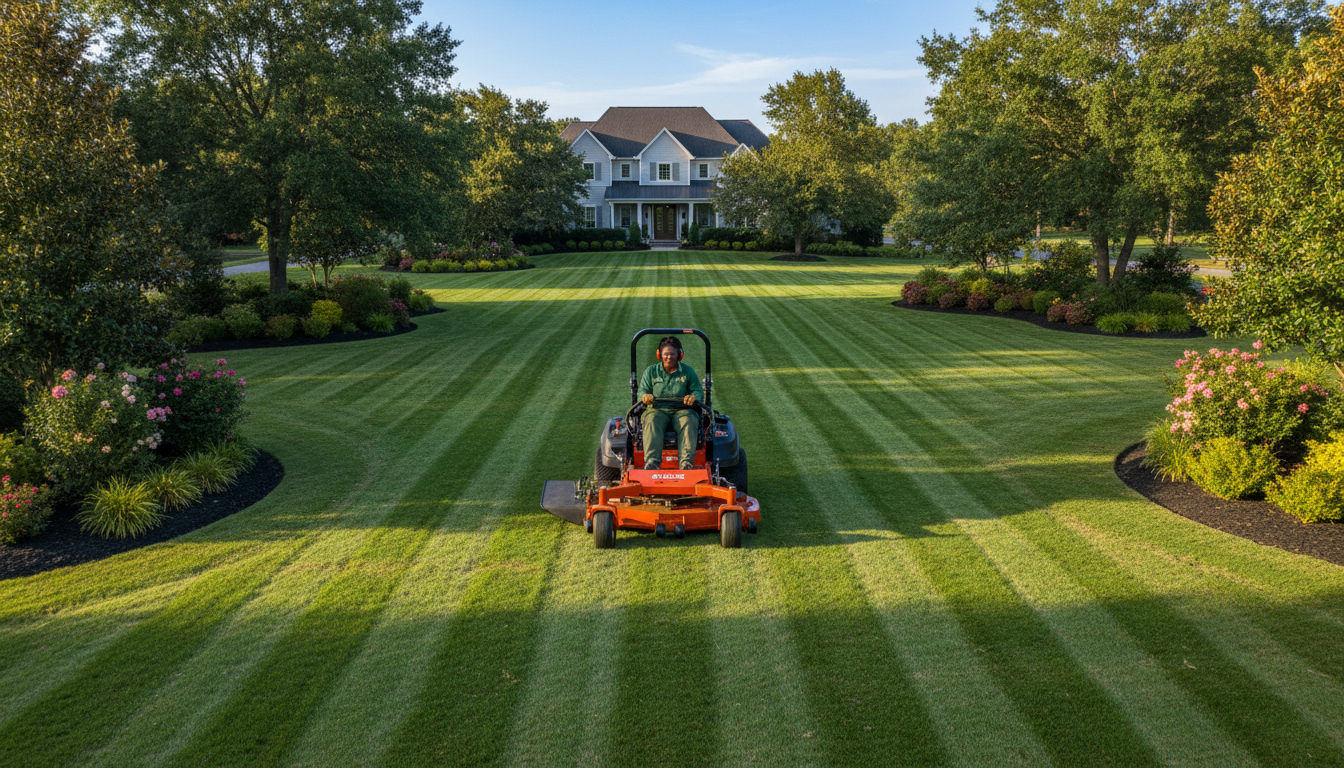
Many people believe that cutting the grass shorter means mowing less often. However, cutting your grass too short can stress the lawn and make it more vulnerable to weeds and pests. Known as "scalping," this practice can deprive the grass of necessary leaf surface for photosynthesis.
For optimal health, mow your lawn to the recommended height for your grass type and never remove more than one-third of the grass blade at a time. Regular mowing at the correct height promotes a thick, healthy lawn.
Debunking Lawn Aeration Myths
Some homeowners think lawn aeration is unnecessary or only needed for specific grass types. In reality, aeration is beneficial for all lawns, as it helps alleviate soil compaction, improves air exchange, and enhances root growth.
Lawn aeration is particularly important in high-traffic areas. Performing it once a year, usually in the fall, can significantly improve lawn health and resilience.
The Importance of Grass Clippings
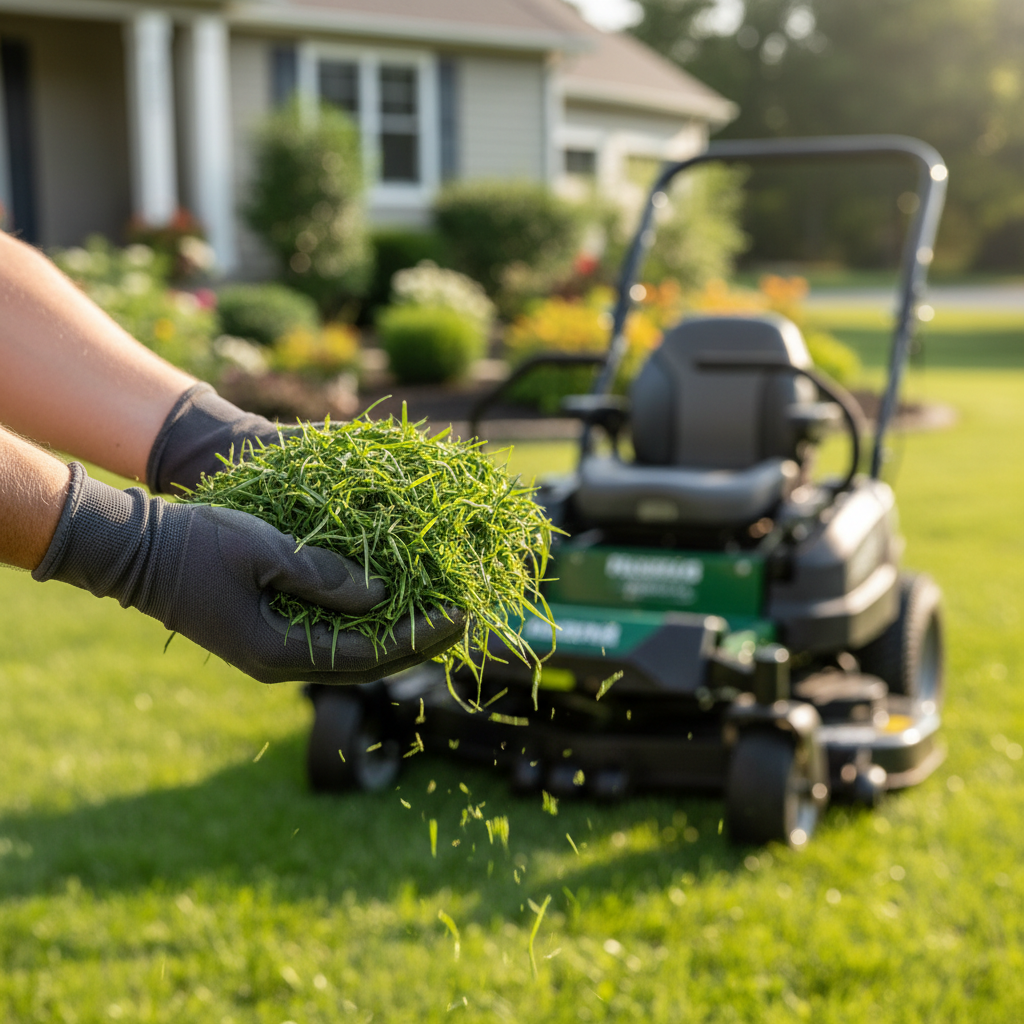
A common misconception is that grass clippings need to be bagged and removed. However, leaving clippings on the lawn can be beneficial, as they decompose quickly and return valuable nutrients to the soil.
This practice, known as "grasscycling," reduces the need for additional fertilizers and helps maintain moisture in the soil. Ensure clippings are small enough to decompose quickly by keeping your mower blades sharp.
Conclusion: Trust the Experts
Understanding the truth behind these common lawn care myths can lead to healthier, more sustainable lawn practices. By following expert advice and debunking these myths, you can maintain a lush, green lawn that thrives season after season.