Common Lawn Care Myths Debunked: What Really Works


Maintaining a lush, green lawn is a goal for many homeowners. However, with so much conflicting advice out there, it can be challenging to know what really works. In this blog post, we’ll debunk some common lawn care myths and provide insights into effective practices.
Myth 1: Watering Every Day is Essential
One widespread belief is that lawns need daily watering to thrive. This is not necessarily true. In fact, overwatering can be detrimental, leading to shallow root growth and increased susceptibility to disease. It’s better to water deeply but less frequently to encourage roots to grow deeper into the soil.
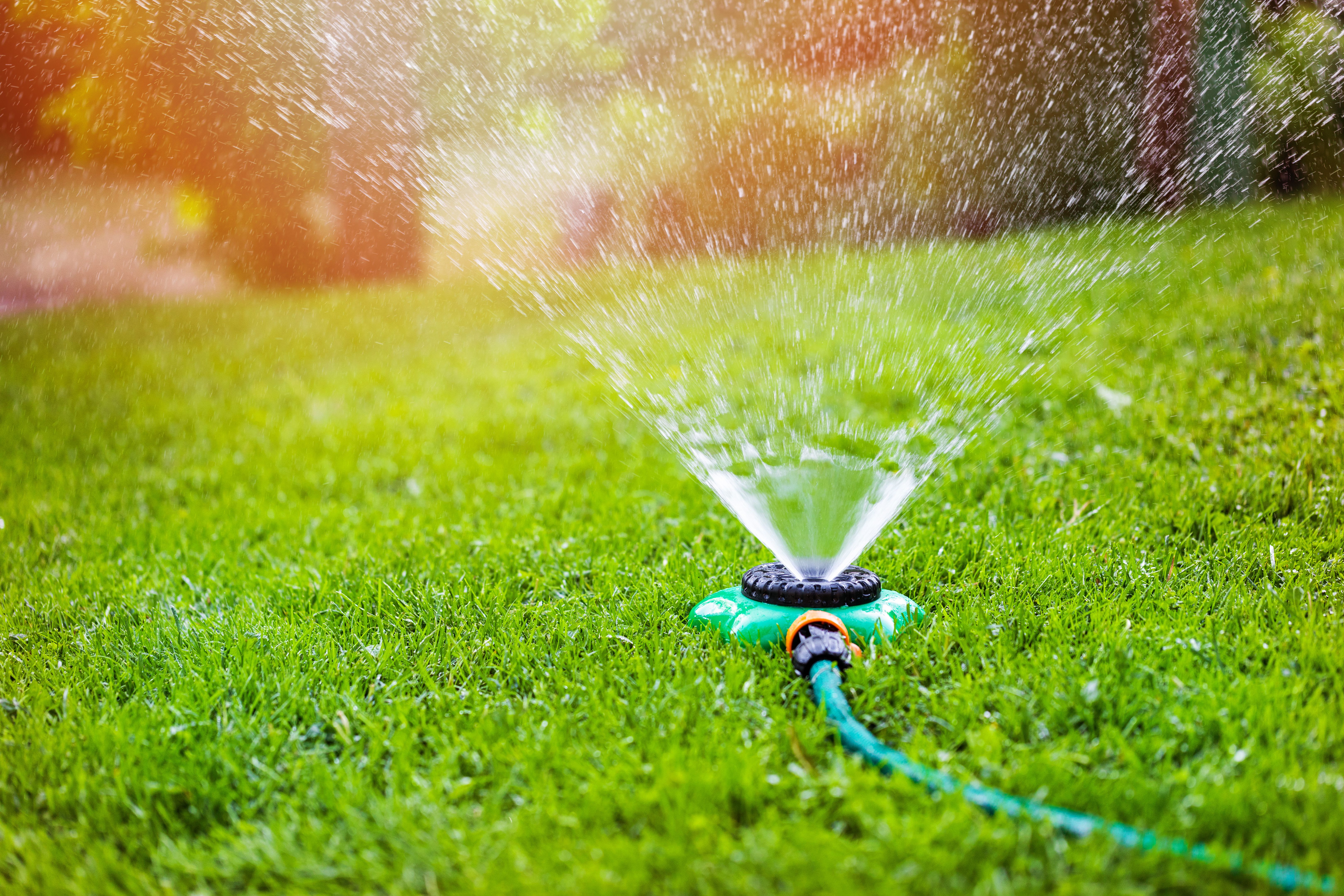
Proper Watering Technique
The best practice is to water your lawn early in the morning. This minimizes evaporation and allows the grass to absorb moisture before the heat of the day. Aim for about one inch of water per week, including rainfall, to keep your lawn healthy.
Myth 2: Cutting Grass Short Reduces Mowing Frequency
Many believe that cutting grass very short will save time by reducing the frequency of mowing. However, this approach can actually harm your lawn. Cutting grass too short, known as “scalping,” can stress the grass and expose it to pests and diseases.
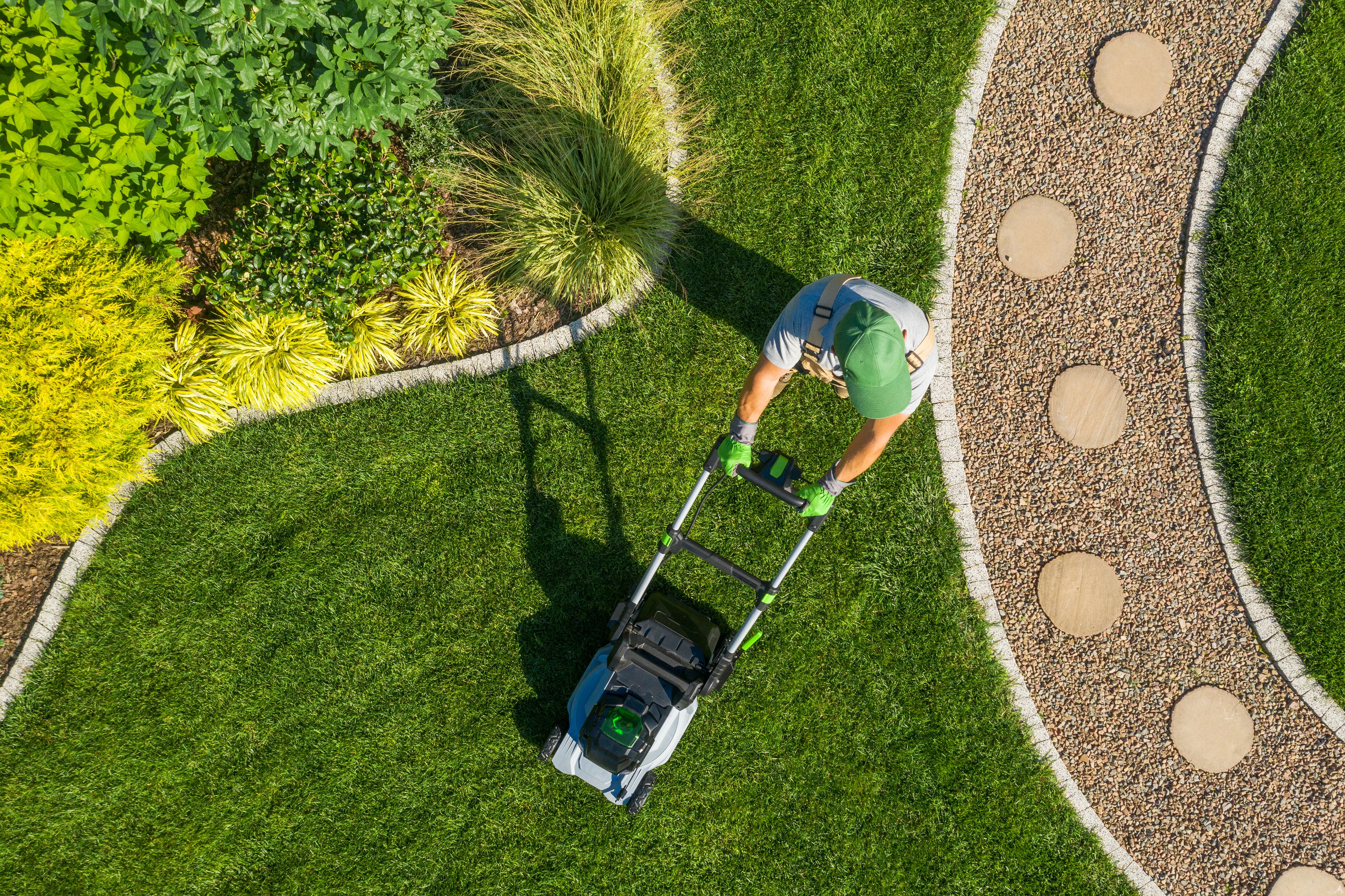
Find the Right Length
Instead of scalping, maintain your grass at a healthy height. For most grass types, this means keeping it at about 2.5 to 3 inches tall. This height helps shade the soil, retain moisture, and prevent weed growth.
Myth 3: Fertilizer is Unnecessary for Established Lawns
Some homeowners skip fertilization once their lawn is established, thinking it’s no longer necessary. However, fertilization remains crucial for providing essential nutrients that keep the grass robust and vibrant.
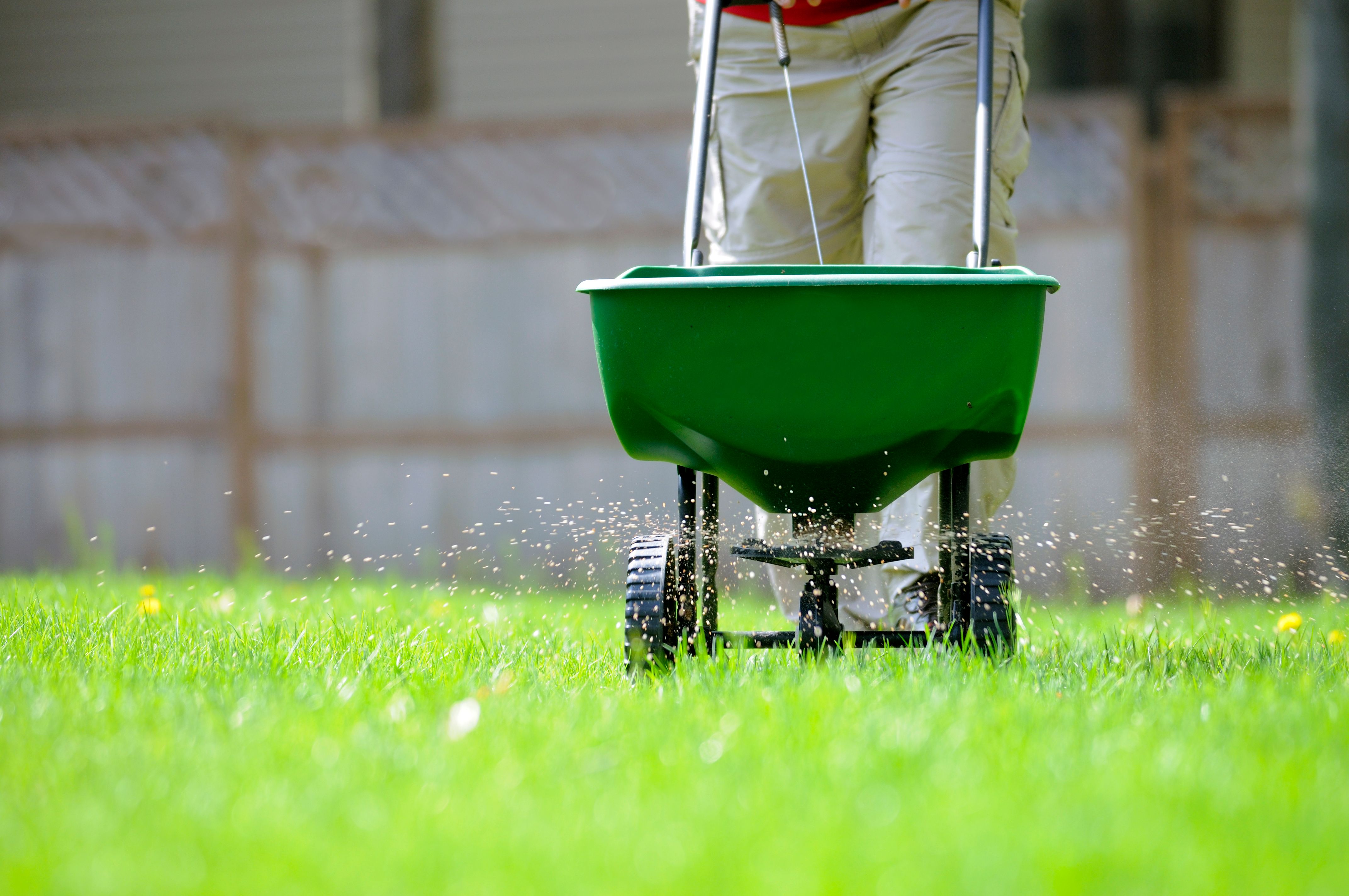
The Right Fertilizer at the Right Time
Choose a fertilizer appropriate for your grass type and local climate. Apply it during the growing season for your grass. This ensures that your lawn gets the nutrients it needs to stay healthy and resist pests and diseases.
Myth 4: All Weeds Can Be Treated the Same
It’s a common misconception that a single weed treatment will work for all types of weeds. In reality, different weeds require different approaches for effective control.
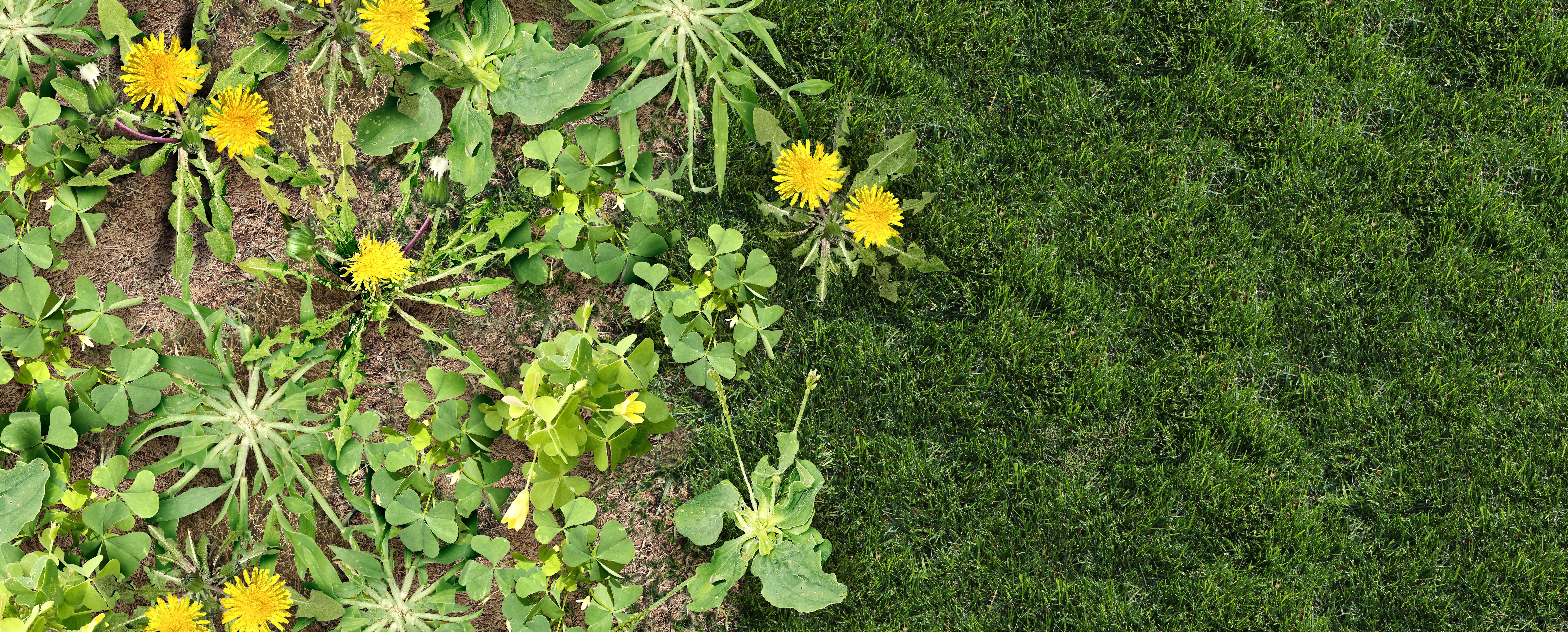
Targeted Weed Control
Identify the specific types of weeds in your lawn to choose the most effective treatment. Some may require selective herbicides, while others might respond better to manual removal or natural remedies. Understanding your weed problem is key to effective control.
By debunking these common myths and adopting more informed lawn care practices, you can achieve a healthier, more resilient lawn. Remember, each lawn is unique, so it’s essential to tailor your approach to meet its specific needs.