Busting Myths About Bermuda Grass: What You Need to Know


Understanding Bermuda Grass
Bermuda grass is a popular choice for lawns, sports fields, and golf courses due to its resilience and lush appearance. However, various myths often cloud its reputation. In this post, we'll debunk some of the most common misconceptions about Bermuda grass.

Myth 1: Bermuda Grass Requires Constant Watering
One of the biggest myths is that Bermuda grass demands excessive watering. In reality, it is quite drought-tolerant once established. Although regular watering is essential for newly planted grass, mature Bermuda grass can thrive with less frequent irrigation.
It's important to water deeply and less often to encourage deep root growth. This approach not only saves water but also strengthens the grass's resilience to dry spells.
Myth 2: Bermuda Grass Is High Maintenance
Another misconception is that maintaining Bermuda grass is a labor-intensive task. While it does require regular mowing and occasional fertilization, it is no more demanding than other warm-season grasses.

Mowing at the right height, usually between 1 to 2 inches, and fertilizing during the growing season can keep your Bermuda grass looking its best without excessive effort.
Myth 3: Bermuda Grass Invades Other Areas
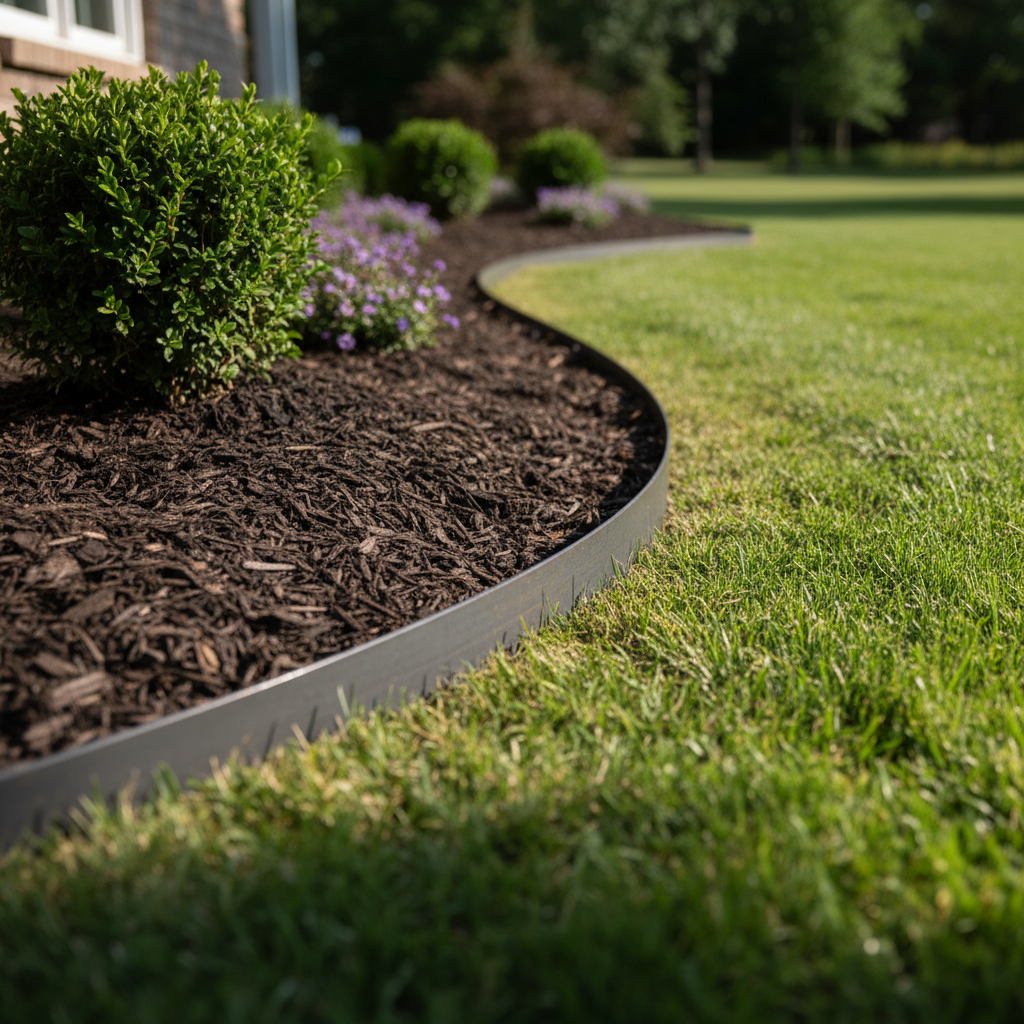
Many people believe that Bermuda grass will aggressively invade flower beds and other areas. While it is true that Bermuda grass spreads quickly, proper lawn edging and maintenance can prevent unwanted encroachment.
Using physical barriers or regularly trimming the edges can help contain its growth, ensuring it remains where you want it.
Myth 4: Bermuda Grass Is Susceptible to Pests
It's a common belief that Bermuda grass is highly vulnerable to pests and diseases. However, it is generally resistant to many common lawn pests. Regular lawn care practices, such as proper mowing and watering, can further reduce the risk of pest infestations.
In cases where pests do appear, targeted treatments can effectively manage them without causing significant harm to the grass.
Myth 5: Bermuda Grass Is Only for Warm Climates
While Bermuda grass thrives in warm climates, it can also adapt to cooler regions. With the right care and selection of cold-tolerant varieties, it can be successfully grown in transitional zones.
Ensuring proper winter preparation, such as aerating and overseeding, can help Bermuda grass withstand cooler temperatures.

Conclusion
Busting these myths reveals that Bermuda grass is a versatile and resilient choice for various landscapes. By understanding its true characteristics and requirements, you can enjoy a lush, healthy lawn without falling for common misconceptions.
Whether you're considering Bermuda grass for your lawn or looking to improve your existing turf, being informed is the key to success. With the right care, Bermuda grass can be a beautiful and sustainable option for your outdoor space.