Busting Myths About Bermuda Grass: What You Need to Know


Introduction to Bermuda Grass
Bermuda grass is a popular choice for lawns, golf courses, and sports fields, thanks to its durability and lush appearance. However, there are several misconceptions surrounding this resilient grass type. In this article, we'll tackle some common myths and provide the facts you need to know.
Myth 1: Bermuda Grass Requires Constant Watering
One of the prevailing myths is that Bermuda grass requires excessive watering to thrive. While it does appreciate regular watering, it is actually quite drought-tolerant. In fact, overwatering can lead to shallow roots and increased vulnerability to disease.
Best Practices for Watering
To maintain healthy Bermuda grass, water deeply but infrequently. Aim for about 1 to 1.5 inches of water per week, including rainfall. This encourages deeper root growth and a more resilient lawn.
Myth 2: Bermuda Grass Needs Frequent Mowing
Another common misconception is that Bermuda grass needs to be mowed constantly to look its best. While it does grow quickly in optimal conditions, mowing every 5 to 7 days during the growing season is usually sufficient.
Mowing Tips
Keep your mower blades sharp and set at a height of about 1 to 1.5 inches. This helps prevent stress on the grass and minimizes the risk of disease.
Myth 3: Bermuda Grass Can't Handle Cold Weather
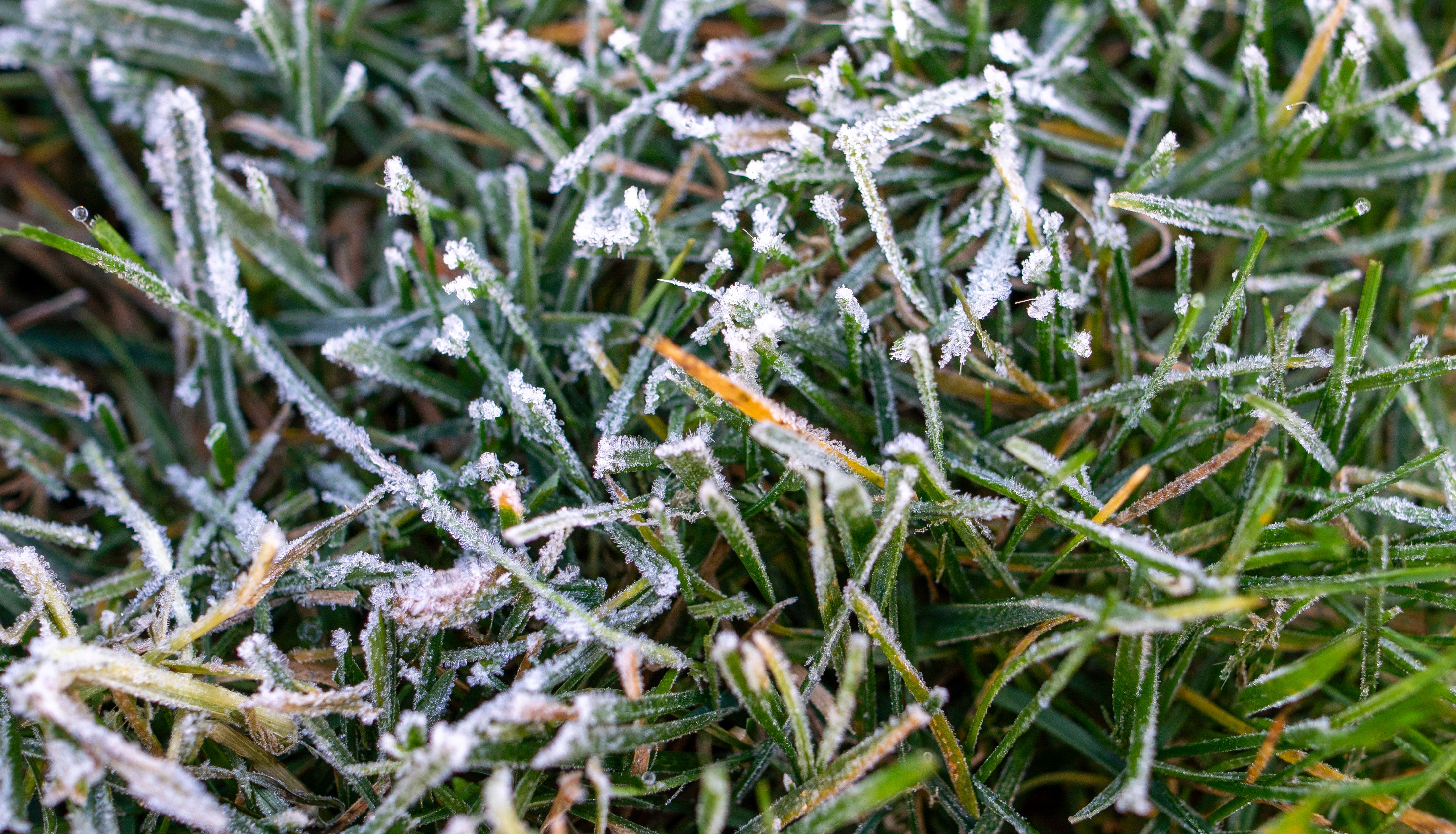
Bermuda grass is often thought to be unsuitable for cooler climates. While it does prefer warm temperatures, certain varieties have been developed to withstand cooler conditions.
Choosing the Right Variety
For regions with cooler climates, consider varieties like Yukon or Riviera, which offer improved cold tolerance while maintaining the desirable traits of Bermuda grass.
Myth 4: Bermuda Grass is High Maintenance
Many believe Bermuda grass is a high-maintenance option, but with the right care, it can be quite manageable. Regular maintenance practices, such as proper fertilization and pest control, are essential but not overly burdensome.
Simple Maintenance Tips
- Fertilize in spring and summer for optimal growth.
- Aerate annually to improve soil health.
- Monitor for pests and diseases regularly.
Conclusion
Busting these myths about Bermuda grass reveals its true potential as a resilient and attractive lawn choice. By understanding its needs and dispelling common misconceptions, you can enjoy a lush, green lawn with less effort than you might expect.