Bermuda Grass Care Tips from South Carolina's Leading Expert


Understanding Bermuda Grass
Bermuda grass is a popular choice for lawns in South Carolina due to its resilience and aesthetic appeal. Known for its lush, dense texture, it thrives in warm climates, making it an ideal option for those looking to maintain a beautiful lawn throughout the year. Understanding the basics of Bermuda grass is essential to ensure your lawn remains healthy and vibrant.

Planting and Establishment
To establish a thriving Bermuda grass lawn, timing is crucial. The best time to plant is during late spring or early summer when temperatures are consistently warm. Ensure the soil is well-prepared by tilling and removing any weeds or debris. Bermuda grass prefers sandy, well-drained soil, so adding organic matter can enhance its growth.
When planting, you can use either seeds or sod. Seeds are more cost-effective, but sod provides immediate results. Regardless of your choice, ensure the area is watered consistently during the establishment phase.
Watering Techniques
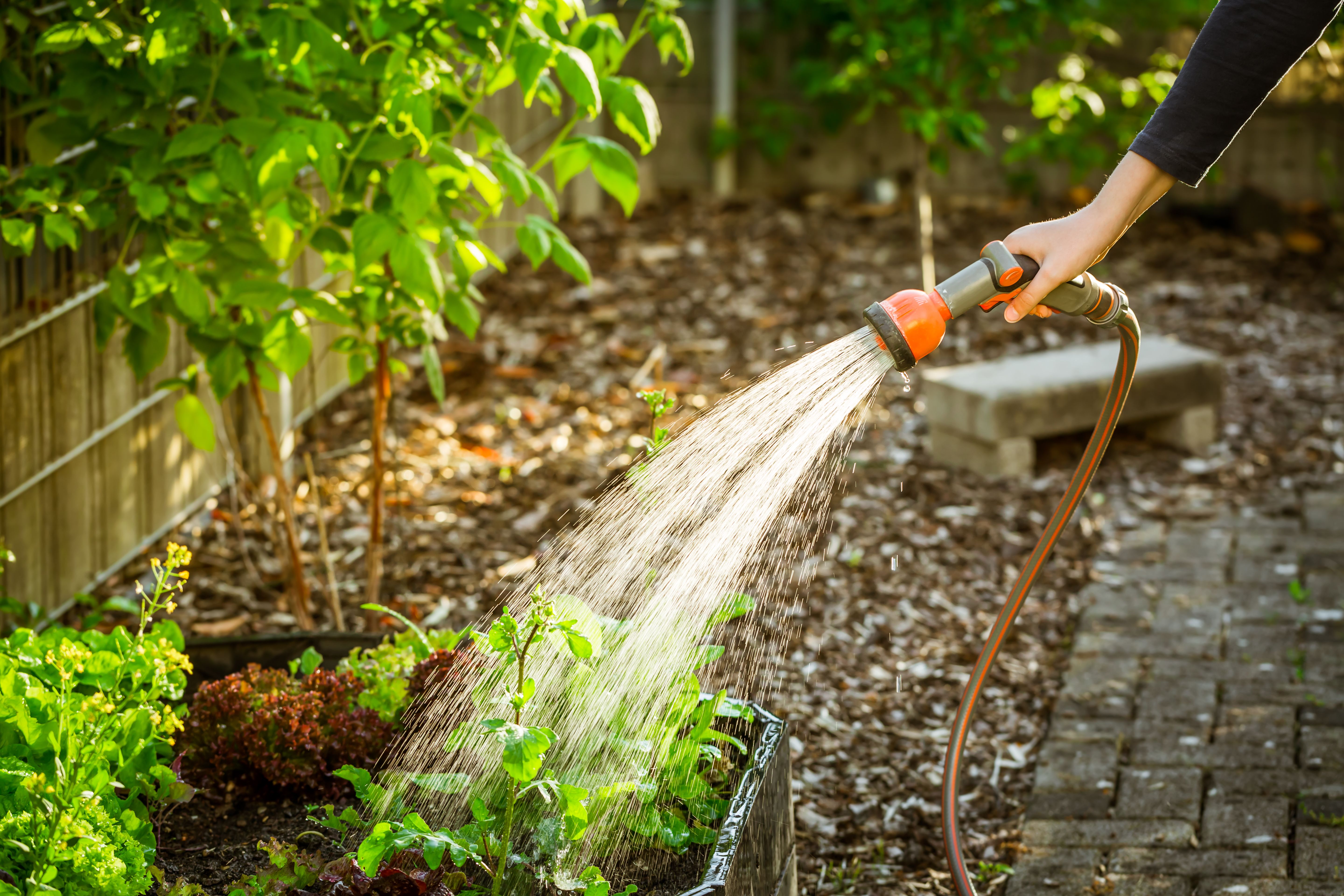
Proper watering is critical for maintaining a healthy Bermuda grass lawn. It's important to water deeply and infrequently to encourage deep root growth. Aim for about 1 to 1.5 inches of water per week, either from rainfall or supplemental irrigation. Water early in the morning to minimize evaporation and allow the grass to dry before evening, reducing the risk of disease.
Mowing Practices
Mowing Bermuda grass correctly is vital for its health and appearance. The ideal mowing height is between 1 to 1.5 inches. Regular mowing helps to keep the grass dense and prevents weeds from establishing. Make sure your mower blades are sharp to avoid tearing the grass, which can lead to disease and stress.
Fertilization and Soil Health
Bermuda grass benefits from regular fertilization. Begin fertilizing in the spring after the last frost and continue every 6 to 8 weeks until late summer. Use a balanced fertilizer with a higher nitrogen content to promote lush growth. Conduct a soil test to determine nutrient deficiencies and adjust your fertilization plan accordingly.

Pest and Weed Management
Maintaining a healthy Bermuda grass lawn involves vigilant pest and weed management. Common pests like grubs and armyworms can damage the grass if not controlled. Use appropriate insecticides when necessary, and consider integrated pest management strategies to minimize chemical use.
For weed control, maintain a dense lawn through proper mowing and fertilization. Pre-emergent herbicides can prevent weed seeds from germinating, while post-emergent options help tackle existing weeds.
Seasonal Care Tips
Throughout the year, adapt your lawn care practices to the changing seasons. In the fall, reduce watering and allow the grass to prepare for dormancy. During winter, avoid excessive foot traffic to prevent damage. As spring arrives, gradually reintroduce regular watering and mowing practices.

By following these expert tips, you can enjoy a lush, green Bermuda grass lawn that enhances the beauty of your property. Consistent care and attention to detail will ensure your lawn remains the envy of the neighborhood year-round.